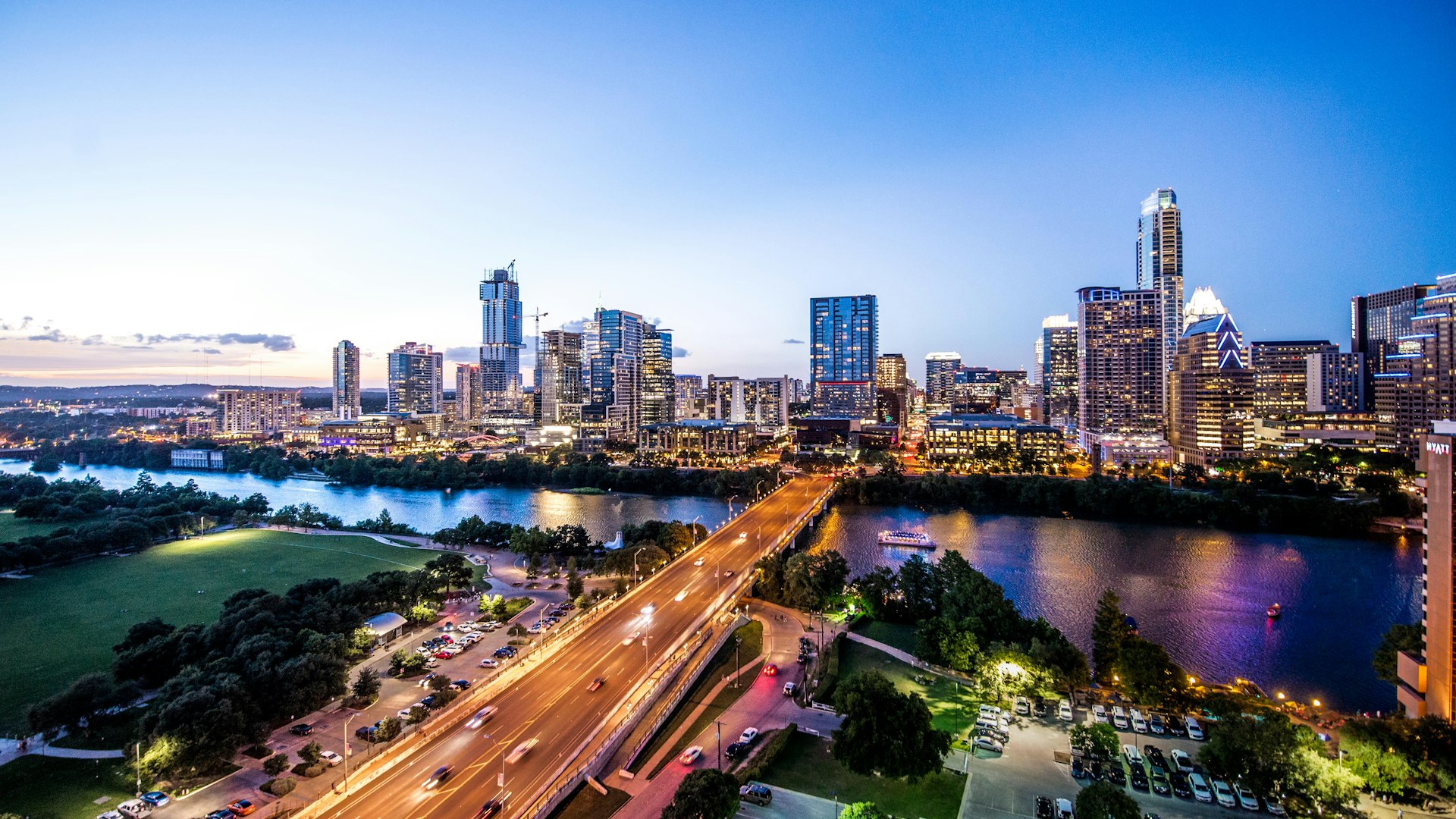
For decades, the gravity of Austin’s real estate market centered firmly on the urban core and South Congress. However, as the "Silicon Hills" narrative has matured, we have seen a definitive shift in investor sentiment and tenant demand toward the north. The intersection of major infrastructure, corporate relocations, and lifestyle amenities has transformed North Austin rentals into some of the most resilient assets in a landlord’s portfolio. As professional property managers, we are seeing a clear pattern: the "Tech Corridor" is no longer just a commuter hub; it is the primary destination for the city’s highest-earning tenant demographic.
The "Second Downtown" Effect and the Domain Area Rental Market
The development of The Domain has fundamentally altered the math for North Austin property owners. What was once a collection of industrial sites and office parks has evolved into Austin’s "Second Downtown," creating a localized economy that operates somewhat independently of the central business district. The Domain area rental market benefits from a unique concentration of "Live, Work, Play" infrastructure that high-income renters demand. For investors, this translates to lower vacancy rates and a tenant profile that typically prioritizes proximity to major employers like Amazon, Facebook (Meta), and Expedia.
From a financial perspective, the capitalization rates in North Austin often prove more attractive than those in 78701 or 78704. While luxury condos downtown may face stiff competition and high HOA fees, single-family homes and mid-rise units in the North Austin corridor often provide a more balanced internal rate of return (IRR). We are seeing Class A and Class B+ properties in this submarket command significant premiums, with three-bedroom homes often renting in the $2,600 to $3,800 range depending on the specific neighborhood and proximity to the Apple campus or the Q2 Stadium.
Strategic Drivers of Demand in the Tech Corridor
When analyzing the long-term viability of an investment, we look at structural drivers rather than short-term hype. The North Austin tech corridor is anchored by massive capital expenditures that ensure long-term tenant density. Several factors are currently fueling this momentum:
- Major Corporate Anchors: The presence of the Apple Parmer Lane campus, Charles Schwab, and Samsung’s nearby facilities creates a steady stream of relocation tenants who often prefer leasing for 12 to 24 months before buying.
- Infrastructure Improvements: Significant investments in the 183 toll lanes and MoPac expansions have made North Austin more accessible, though the localized nature of the Tech Corridor means many residents rarely need to commute south of Research Boulevard.
- Retail and Lifestyle Density: With the expansion of Domain Northside and the surrounding breweries and entertainment districts, the area offers the urban density of downtown with the relative ease of suburban parking and square footage.
- Relative Value: For a tech worker, a 1,200-square-foot rental in North Austin often provides a much higher "quality of life per dollar" compared to a 700-square-foot studio in the urban core.
Navigating the Regulatory and Operational Landscape
As an Austin landlord, understanding the North Austin market also requires a firm grasp of Texas property code and local ordinances. While Texas remains a landlord-friendly state, the City of Austin has specific requirements regarding rental registrations and tenant protections that must be managed precisely to avoid litigation or fines. In the North Austin submarket, we often see a higher volume of corporate leases and professional tenants who are well-versed in their contractual rights. This necessitates a professional approach to lease drafting, security deposit accounting, and habitability standards.
Investment Math: Maintenance and CapEx Trends
In the North Austin corridor, particularly in established neighborhoods like Milwood or Wells Branch, we advise owners to account for the aging of mechanical systems. While the demand is high, these 1980s and 1990s builds often require proactive capital expenditure (CapEx) planning for HVAC units and roofing. North Austin rentals that have been modernized with hard flooring, updated kitchens, and smart home features typically see a 10% to 15% lift in monthly rent and significantly reduced days-on-market. In a market where tenants have choices, the "make-ready" process is where the battle for high-quality applicants is won or lost.
Future Outlook for North Austin Property Owners
Looking ahead, the expansion of the "Silicon Hills" toward Pflugerville and Round Rock will only increase the strategic importance of North Austin as the central pivot point of the region. We anticipate that the Domain area rental market will continue to see institutional-grade interest, which helps buoy the property values of surrounding residential pockets. For the private investor, the goal is to leverage this institutional growth while maintaining the personalized management style that ensures tenant retention and low turnover costs.
Understanding the nuances of the North Austin submarket requires more than just looking at a map; it requires a deep dive into hyper-local trends, tenant psychology, and the financial rigor that keeps a rental profitable. If you own property in North Austin or are considering expanding your portfolio into the Tech Corridor, Driven Property Management is here to provide the sophisticated oversight your investment deserves. Contact us today to discuss your property and how we can help you maximize your yield in this dynamic Texas market.