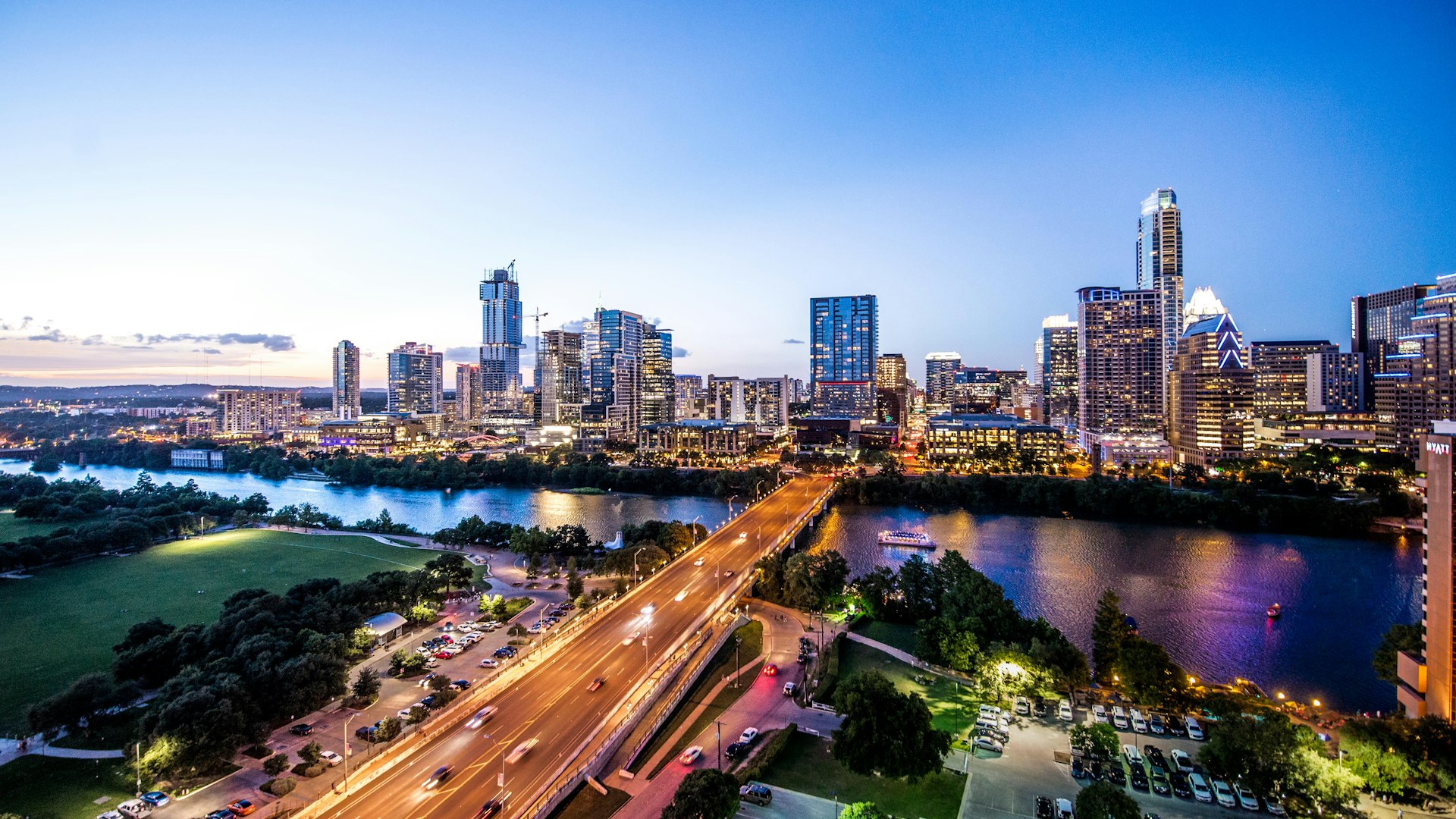
Navigating the South Austin rental market requires more than just a passing familiarity with the area's eclectic culture; it demands a rigorous understanding of the financial drivers and regulatory landscape that define this high-demand submarket. As an investor or landlord looking at South Austin rentals, you are entering one of the most competitive and resilient segments of the Texas real estate market. From the iconic 78704 zip code to the expanding residential pockets further south, the investment math remains compelling for those who prioritize long-term appreciation alongside reliable cash flow.
The Appeal of the 78704 Zip Code and Beyond
When investors discuss 78704 property management, they are targeting a region that serves as the spiritual and economic heart of South Austin. This area—encompassing neighborhoods like Zilker, Bouldin Creek, and Barton Hills—is characterized by a significant supply-demand imbalance. The scarcity of available land for new development, combined with a high density of walkable amenities, creates a natural floor for rental rates. However, savvy investors are also looking further south toward 78745 and 78748, where the price-to-rent ratio often presents a more accessible entry point for residential portfolios.
Understanding the micro-markets within South Austin is essential for setting realistic expectations. While a renovated bungalow in 78704 might command a premium, properties just a few miles south offer larger footprints that appeal to the growing demographic of remote-working professionals and young families who require home offices and yard space.
Investment Math: Cap Rates and Rental Projections
In the current Austin landscape, cap rates for stabilized residential assets typically hover in a range that reflects the city's status as a growth market rather than a pure cash-flow play. For South Austin, investors should analyze their performance based on total return—factoring in both monthly net operating income (NOI) and historical appreciation trends.
- Rental Yields: In the South Austin submarket, monthly rents for single-family homes often range from roughly $2,500 to $4,500, depending heavily on square footage and proximity to the urban core.
- Operating Expenses: Texas property taxes remain a significant variable. Investors should typically budget between 35% and 45% of gross income for operating expenses, including taxes, insurance, and maintenance reserves.
- Occupancy Trends: While the broader market has seen a slight increase in inventory, South Austin maintains a lower-than-average vacancy rate compared to the northern suburbs, often staying below 6% for well-maintained properties.
Optimizing Property Performance
To maximize the internal rate of return (IRR) on a South Austin asset, owners must focus on strategic upgrades that resonate with the local tenant profile. In this market, energy efficiency and modern aesthetics are not just luxuries; they are requirements for attracting high-quality applicants. Consider that a modest investment in smart home technology or professional xeriscaping can often yield a higher monthly rental premium than more costly cosmetic overhauls.
Navigating Texas Property Code and Compliance
Texas is often cited as a landlord-friendly state, but the nuances of the Texas Property Code require strict adherence to avoid costly litigation. From security deposit accounting to specific requirements for smoke detectors and keyless deadbolts, the administrative burden is non-trivial. For investors managing South Austin rentals, ensuring that lease agreements are updated to reflect the latest legislative changes in Austin—particularly regarding fair housing and eviction proceedings—is critical for risk mitigation.
Effective 78704 property management also involves managing the unique logistical challenges of the area. Older housing stock requires proactive maintenance schedules to prevent minor issues from becoming major capital expenditures. A professional approach to vendor management and 24/7 emergency response is essential to preserving the value of the physical asset while maintaining high tenant retention rates.
Strategic Acquisition and Portfolio Growth
For those looking to scale their holdings, the South Austin market offers opportunities for "forced appreciation" through accessory dwelling units (ADUs). The city's evolving land-use regulations have made it increasingly viable to add density to existing lots, providing a secondary revenue stream that can significantly enhance the overall yield of a single-family investment. Investors should analyze their property's zoning and lot size to determine if an ADU project aligns with their long-term capital allocation strategy.
Partnering for Success in South Austin
The South Austin market is sophisticated, and managing it requires a professional touch that balances financial rigor with local expertise. Whether you are navigating the complexities of the 78704 zip code or managing a multi-property portfolio across South Austin, the goal is always to maximize your return while minimizing the friction of daily operations. At Driven Property Management, we provide the localized insight and data-driven strategies necessary to help your investments thrive in this dynamic Texas market. Contact us today to discuss how we can optimize your South Austin rental portfolio.