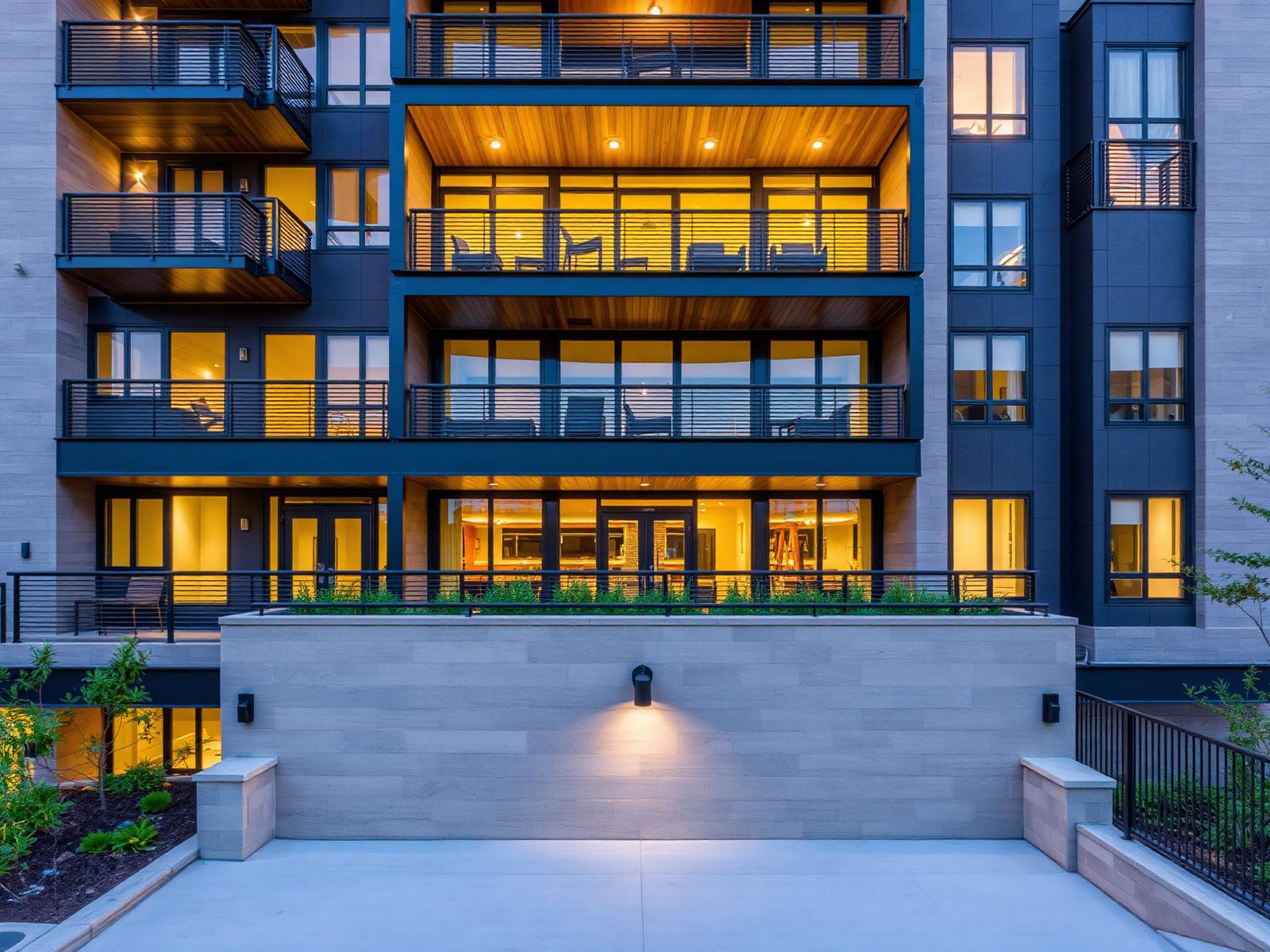
Austin's Original Core, Reinvented
Central Austin is the oldest and most architecturally varied part of the city, running from the high-rise towers of Downtown along 78701 west into the historic streets of Old West Austin and Clarksville, north through the University of Texas campus and West Campus, and further into Hyde Park and the 78751 corridor near Hancock. No other district in Austin packs this much housing diversity into so few square miles: glass condo towers, 1930s bungalows, Craftsman cottages, mid-rise student housing and pre-war duplexes all sit within a few blocks of one another. That variety means Central Austin is not one rental market but four or five overlapping ones, each with a different tenant base, a different price ceiling and a different maintenance profile. We manage each submarket on its own terms rather than applying a single Downtown-condo playbook across the whole district, which is the most common mistake owners make when they buy here.
Downtown and the 78701 High-Rise Core
The 78701 core holds Austin's tallest residential towers, most of them built in the last fifteen years, along with the entertainment district around Sixth Street and Rainey Street's converted bungalow bars and new high-rises. Rentals here are overwhelmingly one- and two-bedroom condos and purpose-built rental units with structured parking, concierge service and amenity decks. Tenants are young professionals in tech, finance and law, along with a steady stream of corporate relocations and traveling executives who want walkability to work and nightlife. Rents carry a real premium for floor level, view and building amenities, and HOA rules govern nearly everything about how a unit can be leased, including short-term rental restrictions that owners frequently overlook when they buy a Downtown investment property. We verify HOA leasing addenda before every listing goes live so an owner never discovers a restriction after signing a tenant.
Old West Austin, Clarksville and Tarrytown
West of MoPac and just north of the river, Old West Austin, Clarksville and Tarrytown hold some of the city's most storied residential streets. Clarksville, a former freedmen's settlement, is now a dense pocket of restored cottages and small multifamily walking distance to Downtown, while Tarrytown's larger lots and mid-century homes along Lake Austin command some of the highest rents in the city. Tenants here are typically established professionals, faculty and executives who want mature tree canopy, quiet streets and immediate highway and Downtown access without high-rise living. Historic district overlays in Clarksville restrict exterior modifications, and older electrical and plumbing systems are common throughout, so we scope those realities during onboarding rather than after a tenant reports a problem mid-lease.
West Campus and the University Core
Immediately west and north of the University of Texas, West Campus is Austin's densest student housing market, dominated by high-rise and mid-rise apartment towers built specifically for undergraduate and graduate tenants. Owners here operate on the academic calendar rather than the general market's spring-to-summer cycle: leases are signed as early as October for the following August, turnover is nearly universal at lease end, and by-the-bedroom leasing with individual liability is standard rather than the exception. Rent is driven by proximity to campus, unit condition and amenity package rather than square footage alone. This is a fundamentally different operating model than a single-family rental, and it rewards a manager who understands the pre-leasing calendar, parental co-signers, and the enforcement realities of a shared-bedroom lease.
Hyde Park and 78751
North of the university, Hyde Park is Austin's oldest planned suburb and one of its most protected historic districts, filled with restored Victorian and Craftsman homes on tree-lined streets. The neighborhood attracts graduate students, university staff, faculty and professionals who want walkability to campus and to the shops along Duval Street without living in a high-density student building. Housing stock is largely pre-war, with the maintenance realities that come with it: original foundations, older wiring in unrenovated homes, and strict historic district review for any exterior change. Just east and north, the broader 78751 corridor toward Hancock Golf Course blends smaller bungalows with newer infill and a growing number of well-maintained duplexes, giving owners a slightly more affordable entry point into the same walkable, transit-friendly core.
Compliance and Texas Landlord Obligations
Central Austin owners operate under the same statewide framework as the rest of Texas, but density and building type add layers most suburban owners never encounter. The Texas Property Code requires specific security devices and smoke alarm placement, and it imposes a strict thirty-day deadline to return a security deposit with an itemized statement, with treble damages and attorney fees available against a landlord who withholds in bad faith. Pre-1978 homes require federal lead-based paint disclosure. Condo and high-rise units are additionally governed by HOA leasing addenda, occupancy limits and move-in/move-out scheduling requirements that a lease must reference to be enforceable. Historic district properties in Clarksville, Hyde Park and Old West Austin face additional review before exterior work. We track every layer — statute, HOA rule and historic overlay — so nothing falls through at move-in or move-out.
How Driven Manages Central Austin Properties
We manage Central Austin the way an operator manages a business, not the way a listing agent manages a transaction. Every engagement starts with a submarket-specific rent analysis, whether that is a Downtown high-rise comp set, a Hyde Park bungalow comp set, or a per-bedroom West Campus analysis. From there we handle professional photography and syndicated marketing, showings with documented feedback, fair-housing-compliant screening at published thresholds, a Texas-compliant lease drafted for the property type, twenty-four-hour maintenance coordination through vetted Central Austin vendors, mid-lease inspections with photo documentation, monthly owner statements and year-end 1099 reporting. Owners have portal access to real-time financials and every document. Our fee is a single transparent percentage of collected rent, we do not mark up maintenance invoices beyond our standard 5% coordination fee, and we earn nothing while your property sits vacant.