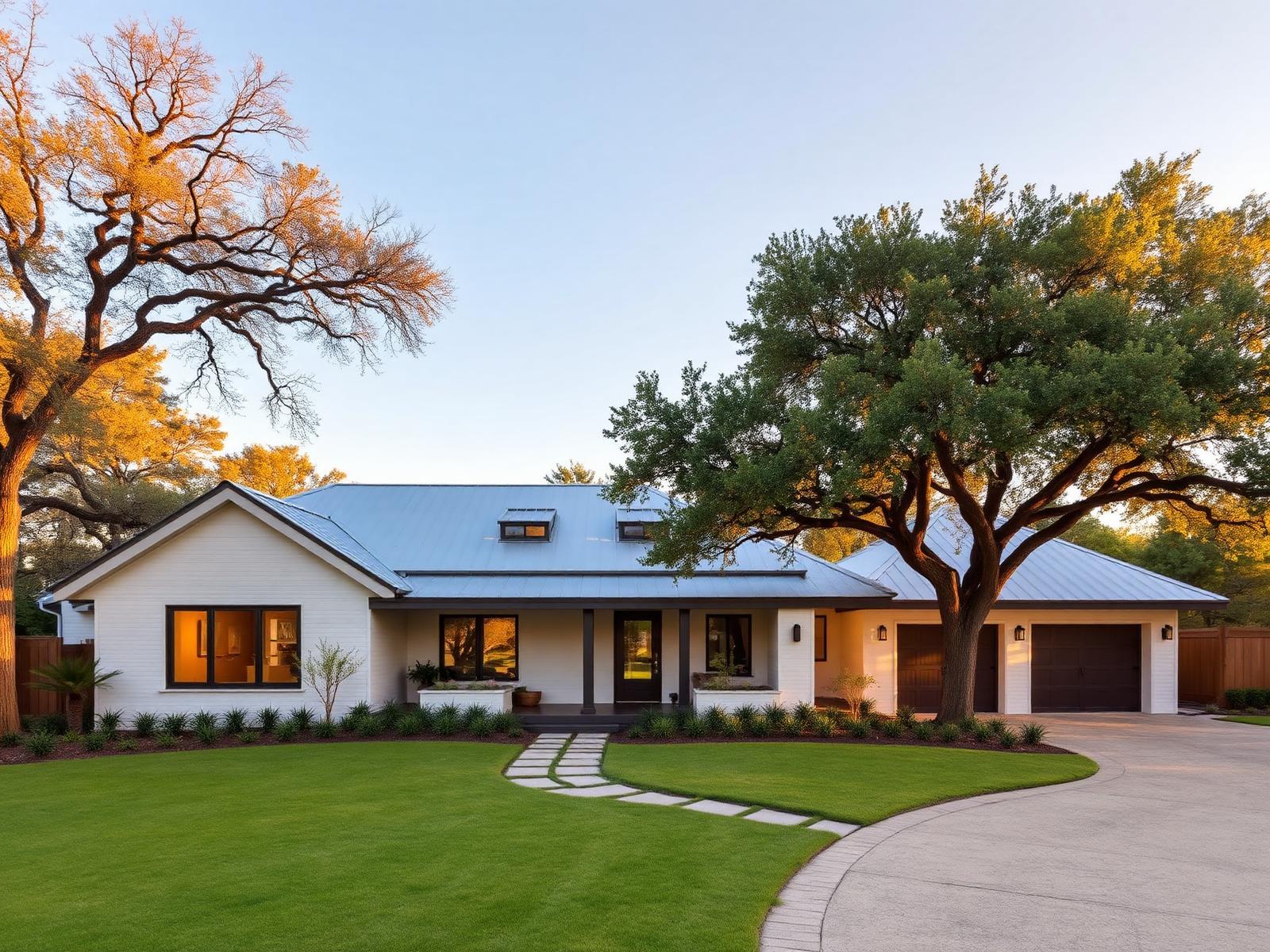
Leander: Hill Country Growth on Austin's Northwest Edge
Leander sits approximately 30 miles northwest of downtown Austin along US-183 and the CapMetro Rail line, and it has been consistently ranked among the fastest-growing cities in the United States over the past decade. What was once a small ranching community has transformed into a sprawling collection of master-planned neighborhoods, including Crystal Falls, Bryson, Travisso, and Mason Hills, each offering a distinct blend of Hill Country terrain, resort-style amenities, and newer construction. The city's rapid expansion has been fueled by its relative affordability compared to Central and Southwest Austin, its access to the CapMetro Rail Leander Station providing a commuter rail option into downtown, and a growing base of local employment tied to healthcare and retail expansion along the US-183A corridor. For investors, Leander represents a growth-oriented submarket where new construction, rising population, and steadily improving infrastructure combine to support strong long-term rental demand, particularly among families drawn by the reputation of Leander Independent School District.
Housing Stock and Neighborhood Character
Leander's housing stock is dominated by newer single-family construction, with the vast majority of homes built from the 2000s through today across dozens of master-planned communities. Crystal Falls and Travisso showcase dramatic Hill Country topography with limestone outcroppings and long-range views, commanding premium prices and rents for homes backing to greenbelt or featuring elevated lots. Bryson and Mason Hills offer more moderately priced new construction with resort-style amenity centers, while older sections near historic downtown Leander provide smaller, more affordable homes on larger lots. Builders active in the area include David Weekley, Perry Homes, Highland Homes, and Taylor Morrison, delivering modern open floor plans, energy-efficient construction, and three-car garages that appeal strongly to the area's family-oriented tenant base. Because so much of the housing stock is relatively new, investors typically face lower near-term capital expenditure than in older Austin neighborhoods, though the tradeoff is a smaller supply of lower-priced entry-level rental inventory.
Amenities, Parks, and Community Life
Leander's master-planned communities have invested heavily in resident amenities, with Crystal Falls offering a private golf course and clubhouse, Travisso featuring resort-style pools with Hill Country views, and Bryson providing an amenity center with a lazy river and fitness facility exclusive to residents. Devine Lake Park and the San Gabriel River Park provide public green space with trails, sports fields, and picnic areas, while the Leander Public Library and the historic downtown area along Willow Street offer smaller-scale community gathering spaces. The Northline development, a large-scale mixed-use project underway along US-183A, is expected to bring significant new retail, dining, and entertainment options to the area over the coming years. This amenity-rich environment, particularly the private pool and clubhouse access common across newer subdivisions, is a significant driver of rental demand, as tenants relocating from other markets consistently prioritize resort-style community amenities when comparing Leander to other Northwest Austin suburbs.
Retail, Dining, and Everyday Convenience
Retail development along US-183A has accelerated considerably in recent years, anchored by the 1890 Ranch Shopping Center featuring H-E-B, Target, and a range of national retailers, along with the growing Crystal Falls Parkway corridor near Highway 183. Local dining options include Vivid Cafe, Cool River Cafe, and the beloved Leander institution Cafe 1911, alongside a growing number of chain restaurants serving the expanding population. The Northline mixed-use development promises to substantially expand this retail and dining base over the next several years, adding density to what has historically been a more spread-out suburban retail pattern. This growing but still-developing retail infrastructure means property managers should highlight proximity to 1890 Ranch and the US-183A corridor prominently in leasing marketing, as tenants weighing Leander against more established suburbs like Cedar Park often cite retail convenience as a close secondary consideration behind schools and home price.
Schools and the Family Tenant Base
Leander is served by Leander Independent School District, one of the fastest-growing and most highly regarded school districts in the Austin metro, with campuses including Vandegrift High School, Rouse High School, and Leander High School consistently earning strong academic ratings and robust extracurricular and athletic programs. The district's continued investment in new campuses to keep pace with population growth has helped it maintain manageable class sizes despite rapid enrollment increases, a point that resonates strongly with relocating families evaluating Leander against other fast-growing Austin suburbs. This school district strength is arguably the single biggest driver of rental demand in Leander, producing a tenant base weighted heavily toward married couples with school-age children who are willing to commute further from Austin's employment core in exchange for newer homes, larger lots, and a top-rated school system, resulting in longer average lease terms and stronger renewal rates than more transient rental submarkets closer to the urban core.
Commuting and Employment Access
Leander's most distinctive commuting advantage is the CapMetro Rail Red Line, which terminates at the Leander Station and provides direct commuter rail service into downtown Austin, an amenity essentially unique among Austin-area suburbs and a genuine differentiator for tenants who work downtown but want to avoid daily highway congestion. US-183 and US-183A provide the primary vehicle routes connecting Leander to Cedar Park, the Domain, and the broader North Austin tech corridor, typically a 30 to 40 minute drive to downtown depending on traffic and specific destination. Local employment has also grown substantially, with the Baylor Scott and White Medical Center and a growing base of retail and service employers along US-183A providing jobs within the city itself, reducing the share of residents who must commute into Austin at all. This combination of a unique rail option, expanding local employment, and reasonable highway access makes Leander attractive to a broad range of commuting profiles among prospective tenants.
Community Governance and HOA Considerations
The vast majority of Leander's master-planned communities operate under active homeowners associations with detailed architectural guidelines governing exterior paint, landscaping, and fencing, particularly in higher-amenity communities like Crystal Falls and Travisso where maintaining a consistent Hill Country aesthetic is a priority for the association. Rental caps and leasing registration requirements have become more common in some Leander HOAs in recent years as associations respond to the area's high concentration of investor-owned properties, making HOA due diligence an essential step before acquisition. For rental property owners, working with a management partner familiar with the specific rules of each Leander subdivision helps avoid violations, streamlines the process of getting exterior repairs approved through architectural review, and ensures tenants understand community expectations from the outset, protecting both the property's condition and the owner's standing with the association.
Long-Term Investment Fundamentals in 78641
Leander offers investors exposure to one of the fastest-growing school districts and population bases in the entire Austin metro, supported by continued infrastructure investment including the Northline mixed-use development and ongoing US-183A expansion. Home values in the $370,000 to $500,000 range paired with average rents near $2,250 per month produce competitive gross yields relative to more expensive Austin submarkets, and the unique presence of commuter rail service adds a differentiator that few other suburbs can match. Because new construction remains active across several Leander communities, investors should factor competing new-build supply into their pricing strategy, but the durability of Leander ISD's reputation and the city's continued population growth provide a strong underlying demand base. For investors seeking growth-oriented exposure to the Austin metro's northwest expansion corridor, Leander remains one of the more compelling submarkets for long-term single-family rental investment.