Austin's Premier Transit-Oriented Neighborhood
Plaza Saltillo sits at the intersection of Comal Street and East 5th Street, anchored by the Capital MetroRail Red Line station that gives the neighborhood its name. What was once a rail freight yard has been reimagined over the past decade into one of Austin's most ambitious mixed-use developments, combining new mid-rise apartment towers, condominiums, office space, and ground-floor retail into a walkable urban core just east of I-35. The development brought a Target and a Whole Foods Market directly into the neighborhood, giving residents grocery and everyday shopping options within a five-minute walk of their front door. Unlike much of East Austin, which retains its bungalow-lined residential character, Plaza Saltillo reads as a genuinely urban district, with structured parking garages, plazas, and street-level activation designed intentionally around transit ridership. For property owners, this means a tenant base that skews toward professionals who prioritize commute convenience and low-maintenance living over yard space. The neighborhood's identity is still evolving as additional phases of construction continue to fill in surface parking lots with new residential and commercial buildings, and each new phase tends to push rental comps upward for existing units nearby.
Modern Housing Stock Built for Renters
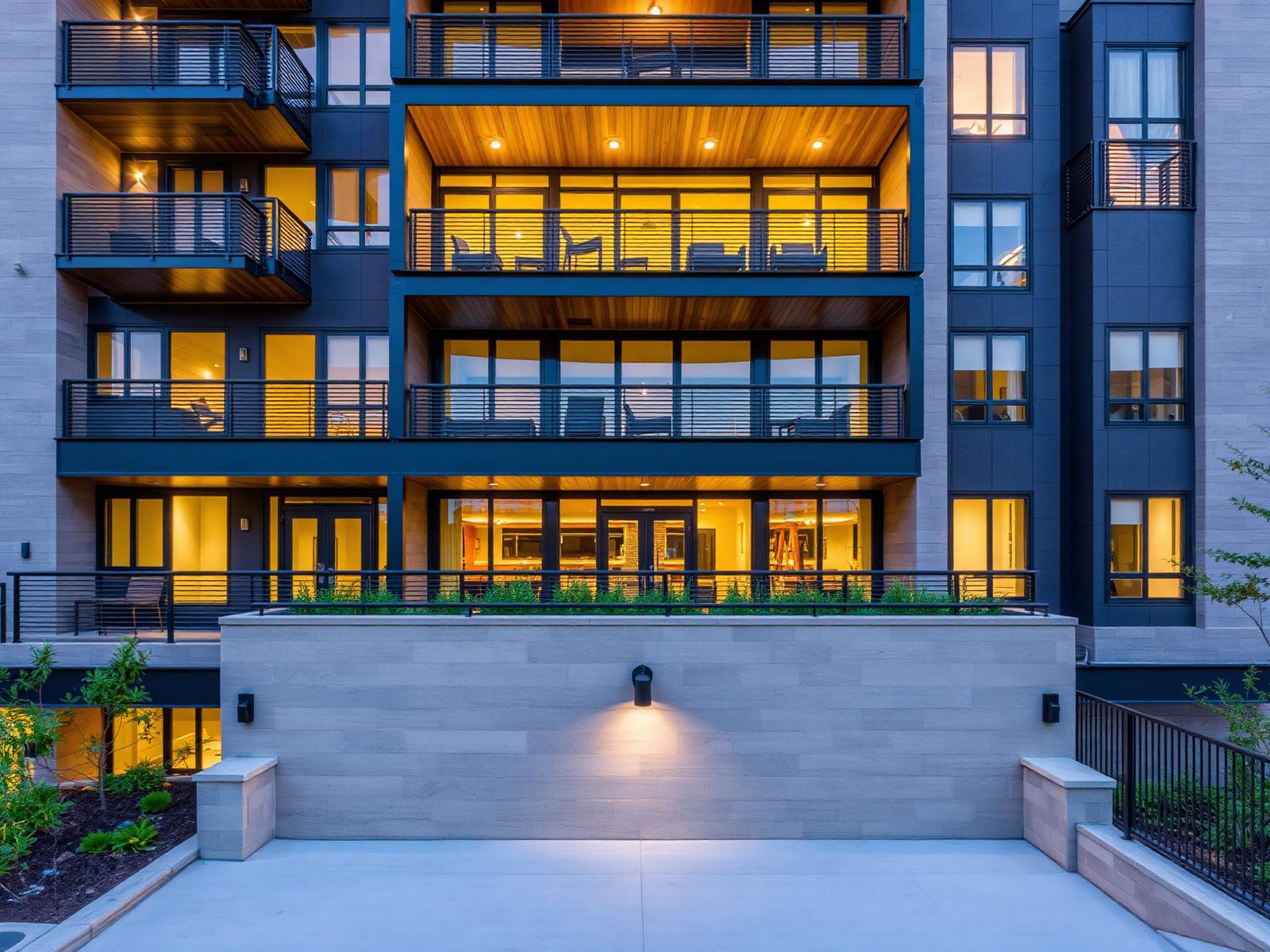
The vast majority of homes available for rent in Plaza Saltillo are units inside purpose-built apartment communities and condominium towers constructed within the last ten years, meaning tenants can expect contemporary finishes such as quartz countertops, stainless appliances, in-unit washer/dryer connections, and controlled-access entry. Buildings frequently include amenity packages like rooftop pools, coworking lounges, and secured parking garages, which is a meaningful differentiator from the older housing stock found just blocks away in Robertson Hill or Swede Hill. A smaller number of live/work units and loft-style condos closer to Comal Street offer higher ceilings and industrial detailing that references the site's rail-yard history. Because these are largely newer constructions, maintenance issues tend to center on HVAC systems, smart-lock technology, and appliance warranties rather than the foundation and plumbing concerns common in century-old East Austin homes. This makes Plaza Saltillo an appealing segment for owners who want predictable maintenance costs alongside strong rent growth potential tied to the neighborhood's continued build-out.
A Lifestyle Built Around the Rail Line
Daily life in Plaza Saltillo revolves around the MetroRail station, which offers direct service north to the Domain and beyond, making it a genuine commuter option for tenants who work in North Austin's tech corridor without owning a car. The plaza itself hosts periodic markets, food truck gatherings, and community events on the open pedestrian space in front of the station. Residents walk to East 6th Street's restaurant row, to the Whole Foods and Target for groceries, and to coffee spots for their morning routine. The neighborhood's compact footprint means most errands happen within a ten-minute walk, and Lady Bird Lake's hike-and-bike trail is a short ride away for outdoor recreation. This lifestyle appeals strongly to renters relocating from larger transit-dependent cities who specifically seek out rail-adjacent housing, and it gives owners a clear, repeatable marketing angle: walk to the train, walk to Whole Foods, bike to downtown in minutes.
Who Rents in Plaza Saltillo
The tenant profile here skews younger and more transient than surrounding historic neighborhoods, with a high concentration of tech employees, healthcare workers from the nearby Dell Seton and UT medical campuses, and young professionals who value walkability over square footage. Many are relocating from out of state and specifically request properties near the rail line during their apartment search, having read about Austin's transit expansion before their move. Lease terms tend to be standard twelve-month agreements, and turnover is moderate as tenants often stay through one or two lease cycles before purchasing a home elsewhere in the metro. Because so much of the inventory is professionally managed apartment product, individually owned condos in Plaza Saltillo compete directly with large institutional landlords, which means pricing, presentation, and responsiveness matter enormously in winning a qualified tenant quickly.
Ongoing Development and Its Impact on Rents
Plaza Saltillo remains an active construction zone in parts, with additional residential and office phases still being delivered by the master developer in partnership with Capital Metro. This ongoing development has a dual effect on the rental market: new supply can temporarily soften rents in a given building as leasing teams fill units, but it also continues to draw employers, retail, and amenities into the immediate area, which supports long-term value appreciation. Owners of individually held condos should expect to compete on price and finish quality against newly delivered buildings offering concessions, but they also benefit from an increasingly walkable and amenity-rich environment that didn't exist a decade ago. We track upcoming deliveries closely so our owners can adjust pricing strategy ahead of new competing supply rather than reacting to it after vacancy sets in.
Connectivity to Downtown and East Austin
Plaza Saltillo's location just east of I-35 and a short walk from East 6th Street puts it within a five-to-ten-minute drive of the Texas Capitol, the Central Business District, and the University of Texas campus. Renters who work downtown but want more space and lower price points than CBD high-rises frequently target Plaza Saltillo as their compromise neighborhood. The area also connects easily to the rest of East Austin's dining and nightlife scene along East 6th and East Cesar Chavez, giving tenants the density of an urban core with the character of Austin's most culturally significant corridor just outside their door. For owners, this dual accessibility to both downtown employment and East Austin culture is one of the strongest and most durable demand drivers in the neighborhood.