St. Johns: A North Austin Neighborhood in Transition
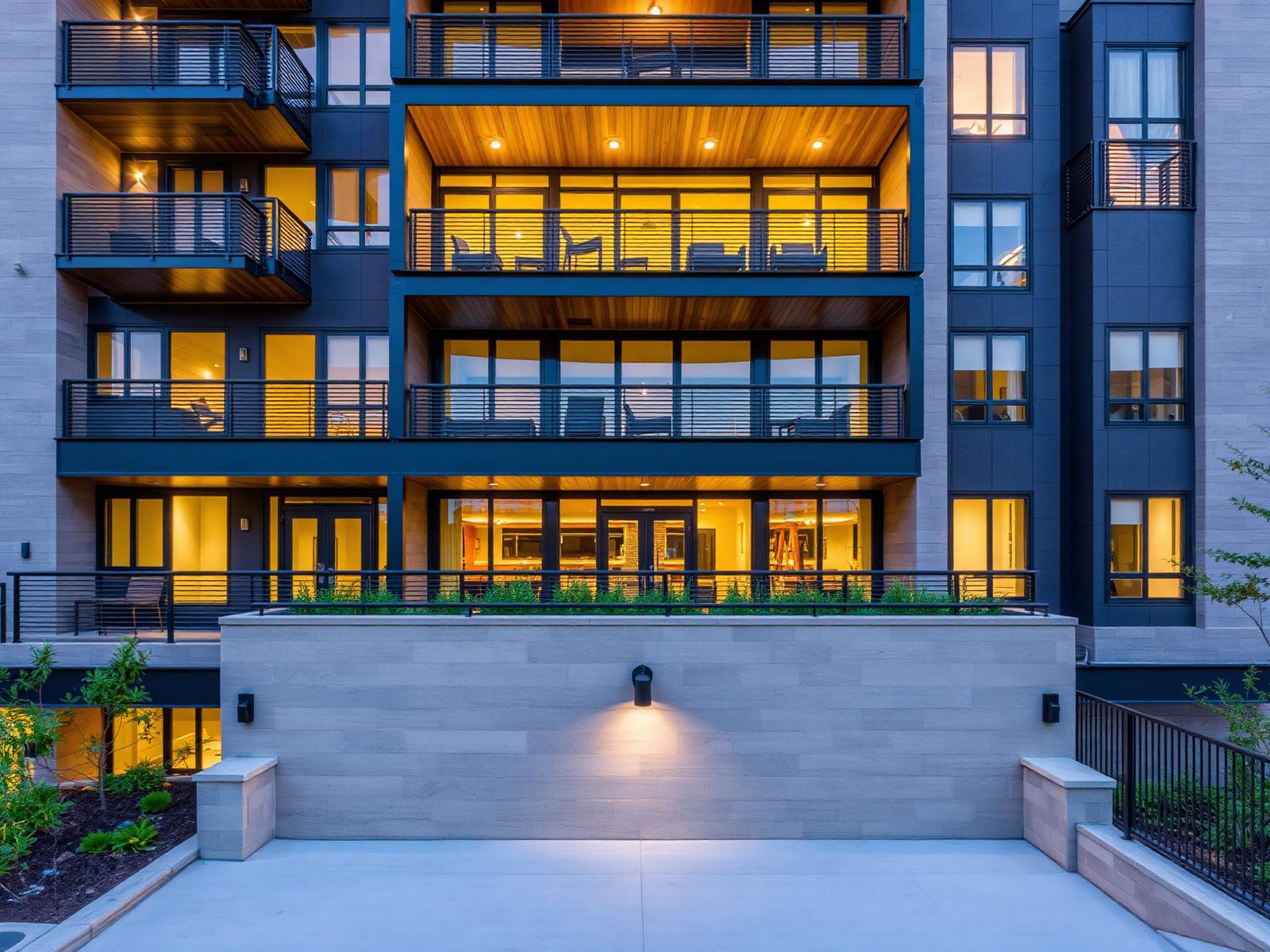
St. Johns sits along North Lamar Boulevard and Interstate 35 in North Central Austin, a historically working-class neighborhood that has become one of the city's most closely watched value-add corridors. Named for the St. John's Orphan Home that once anchored the area, the neighborhood retains a mix of modest post-war bungalows, mid-century duplexes, and newer infill construction that has arrived as investors and owner-occupants recognize its proximity to downtown, the Domain, and the University of Texas. For property owners, St. Johns represents a rare combination in today's Austin market: land and homes still priced meaningfully below the city median, situated inside neighborhoods undergoing active reinvestment. The City of Austin's continued corridor improvements along North Lamar, paired with private redevelopment of aging strip retail into mixed-use buildings, are gradually reshaping the area's character. Investors who understand this transitional dynamic are well positioned to benefit from both rental income today and appreciation as the corridor matures over the next decade.
Housing Stock and Redevelopment Patterns in 78752
The housing stock in St. Johns is defined by its diversity and its age. Many properties date to the 1950s and 1960s, single-story brick and frame homes on generous lots that were originally built for Austin's postwar workforce. Alongside these original homes, the neighborhood has absorbed waves of duplex and fourplex construction, along with a growing number of modern infill single-family homes built on subdivided lots. This mix creates opportunity for a range of investment strategies, from a straightforward buy-and-hold single-family rental to a ground-up small multifamily project. Because lot sizes in much of St. Johns are larger than in the central core, owners frequently pursue accessory dwelling units to add a second rentable structure to a single parcel, doubling potential income on land that was purchased at a fraction of the cost of comparable lots in Hyde Park or Crestview. Renovation quality varies significantly block to block, so due diligence on individual property condition remains essential before acquisition.
Location and Regional Connectivity
St. Johns benefits from an enviable location roughly five miles north of downtown Austin, bordered by North Lamar Boulevard to the west and Interstate 35 to the east. This positioning gives residents rapid access to downtown, the University of Texas campus, and the Domain's retail and employment hub, all within a fifteen-minute drive under normal traffic conditions. CapMetro bus routes run frequently along North Lamar, and the neighborhood sits near the planned Project Connect transit improvements that will further enhance north-south mobility. For renters who commute to jobs downtown or in the Domain but are priced out of Hyde Park, Crestview, or Brentwood, St. Johns offers a genuinely competitive alternative with shorter commute times than most suburban options. This connectivity is a primary driver of rental demand and one of the strongest long-term arguments for holding property in the neighborhood.
Community Character and Demographic Shift
St. Johns has long been one of Austin's more culturally diverse neighborhoods, with a strong Latino community heritage alongside newer residents drawn by affordability relative to surrounding areas. This diversity is reflected in the area's small businesses, taquerias, and community organizations that continue to serve longtime residents even as new development arrives. The neighborhood association and local nonprofits have worked to balance revitalization with preservation of the community's existing character, a dynamic that owners should be sensitive to when marketing properties and setting rents. For investors, this means St. Johns tenants often value stability and community connection as much as unit finishes, and word-of-mouth referrals within the neighborhood can be a powerful leasing tool when managed thoughtfully and respectfully. Owners who invest the time to understand this history and engage respectfully with existing residents often find it easier to build a positive reputation in the neighborhood, which pays dividends through tenant referrals and lower turnover over time.
Parks, Green Space, and Everyday Amenities
Coronado Hills Park and the nearby Northeast Metropolitan Park provide accessible green space for St. Johns residents, offering sports courts, playscapes, and walking paths within a short drive or bike ride. The neighborhood also sits close to Bartholomew Park and its aquatic center, a popular summer destination for families in the surrounding ZIP codes. Everyday needs are served by grocery and retail options along North Lamar, including H-E-B locations within a few minutes' drive, along with a growing number of local restaurants and coffee shops that have opened as the corridor redevelops. While St. Johns does not yet have the dense walkable retail core of neighborhoods further south, its access to daily conveniences continues to improve year over year, directly supporting rental demand and tenant retention. As redevelopment continues along the corridor, expect additional restaurants, fitness studios, and specialty retail to fill in gaps that currently send residents to neighboring ZIP codes for certain services, further boosting the neighborhood's rental appeal.
Schools Serving the St. Johns Community
St. Johns falls within Austin Independent School District, with children typically zoned to St. Elmo or Reilly Elementary depending on exact address, feeding into Webb Middle School and ultimately Navarro Early College High School or LBJ Early College High School. AISD has invested in several of these campuses in recent years, including facility upgrades and expanded early college programming that has improved outcomes and community perception. Families evaluating St. Johns rentals often weigh school assignment carefully, and owners marketing to family tenants should highlight proximity to campuses and any recent AISD investment. For tenants without school-age children, school quality matters less, but it remains a meaningful factor in overall neighborhood desirability and resale value. St. Louise King De Marillac Catholic School also serves families in the area seeking a private education option within the immediate neighborhood, adding to the range of choices available to renters with children.
Employment Access and Commuter Appeal
St. Johns' central-north location places it within easy reach of several of Austin's largest employment centers. The Domain, home to major offices for companies including Amazon, Indeed, and Facebook, is roughly a ten-minute drive north. Downtown Austin and the University of Texas campus are similarly close to the south. St. David's Medical Center and the broader North Central healthcare corridor along West 38th Street also draw hospital and clinical staff who prioritize a short commute. This positioning makes St. Johns attractive to renters across income levels and industries, from healthcare workers and University staff to tech employees seeking a more affordable alternative to Crestview or Allandale while still enjoying a reasonable commute to the Domain. The neighborhood's position along a major CapMetro bus corridor also makes it viable for tenants who prefer not to own a car, broadening the pool of prospective renters an owner can market to beyond strictly commuter households.
Long-Term Investment Thesis for 78752
The long-term investment case for St. Johns rests on its position as one of the last centrally located, transit-accessible Austin neighborhoods where entry prices remain accessible to a broad range of investors. As North Lamar corridor redevelopment continues and Project Connect infrastructure advances, comparable neighborhoods have historically seen substantial appreciation in the five to ten years following initial signs of reinvestment. Investors who acquire well-located St. Johns properties today, particularly those with ADU potential or duplex zoning, are positioning themselves ahead of a redevelopment curve that has already played out in nearby Highland and North Loop. Patience and careful tenant selection during this transitional period will be rewarded as the neighborhood's amenity base and property values continue to mature. Owners who combine patient capital with disciplined property management are best positioned to capture both the rental income available today and the appreciation likely to follow as the corridor's transformation continues over the coming decade.