A Tiny, Self-Governing City Inside Austin
Sunset Valley is a small incorporated municipality of roughly one square mile, completely surrounded by the city of Austin along the US 290 and MoPac corridor in far south Austin. Incorporated in 1954, Sunset Valley has fiercely guarded its independent status for decades, resisting annexation attempts and maintaining its own police department, municipal government, and zoning code even as Austin has grown up around it on every side. This independence gives Sunset Valley a distinct character: it operates like a small town with its own tax base and civic identity, yet renters here enjoy immediate access to everything South Austin has to offer. For investors, this translates into a property market shaped less by broad Austin trends and more by the city's own land-use decisions, tax rate, and small but active residential base clustered primarily around Jones Road, Nightengale Trail, and the streets surrounding Central Park.
Housing Stock: Modest, Established, and Mixed
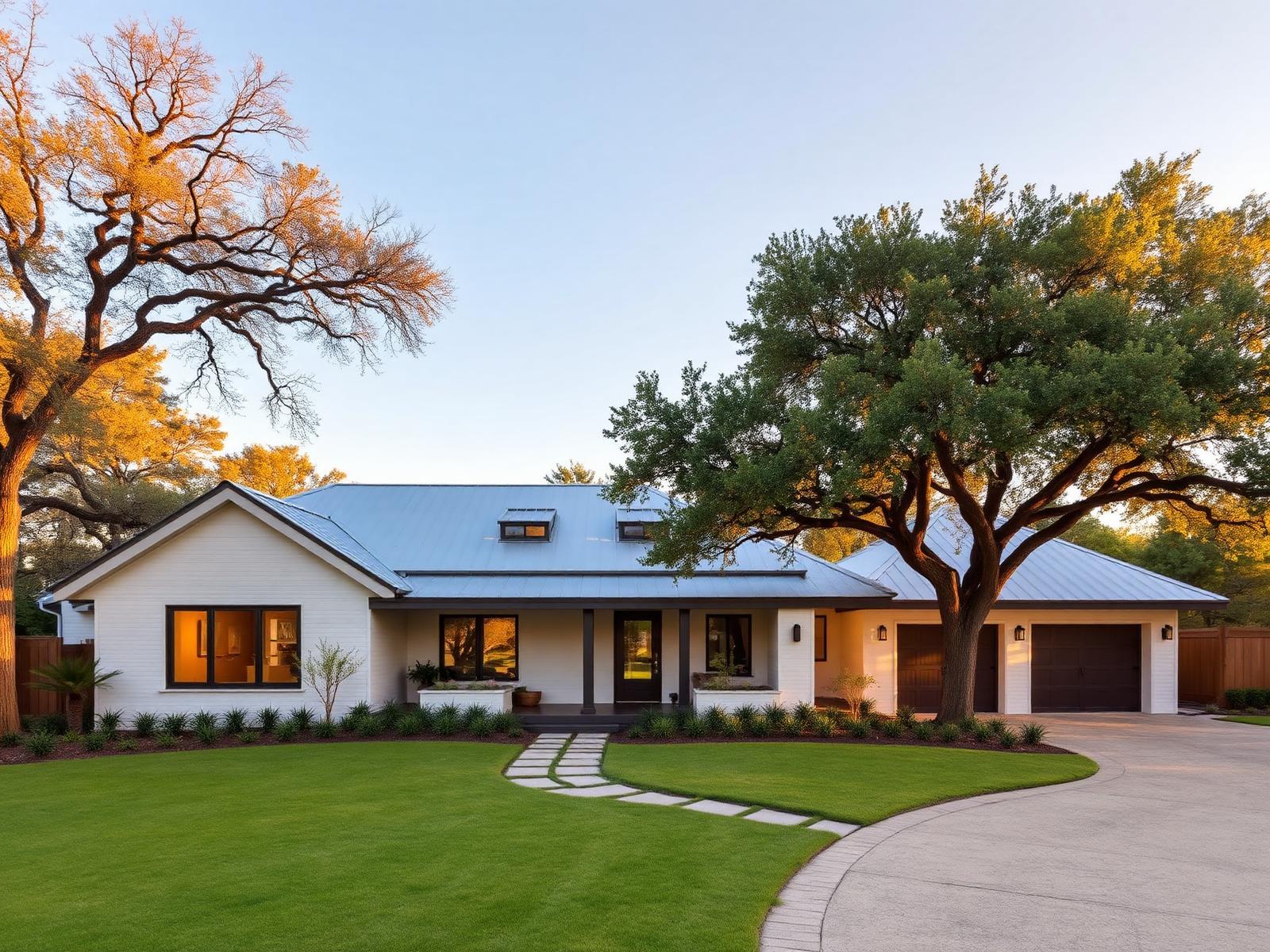
Sunset Valley's residential housing stock is a mix of mid-century ranch homes, more recently updated single-family houses, and a handful of duplexes and small multifamily properties concentrated along Jones Road and Nightengale Trail. Because the city's residential footprint is so limited, inventory turns over slowly, and well-maintained rental homes here tend to attract sustained tenant interest. Many homes sit on generous lots by Austin standards, with mature oak trees and a genuinely quiet, low-traffic residential feel despite the retail bustle just blocks away on Brodie Lane. Owners in Sunset Valley typically deal with older electrical and plumbing systems common to homes from the 1960s through 1980s, and we find that proactive maintenance investment pays off quickly given how tight this micro-market is.
Life at the Crossroads of Retail and Residential
Sunset Valley's identity is built around its unusual pairing of a compact, established residential core with one of South Austin's most significant retail concentrations along Brodie Lane and US 290. Residents enjoy walkable or short-drive access to Sunset Valley Village, Alamo Drafthouse, Central Market, and Toy Joy, while still returning home to quiet residential streets shaded by mature trees. Central Park, the city's flagship green space, hosts a well-attended farmers market on Saturdays and serves as a genuine community gathering point with sports fields and walking paths. This blend of everyday convenience and small-town residential calm is precisely what draws long-term renters who want South Austin access without the density of neighboring Zilker or South Lamar.
Who Rents in Sunset Valley and Why?
Sunset Valley attracts a mix of established South Austin professionals, small families, and downsizing homeowners who want single-family living without the traffic and density pressures found closer to South Lamar or Zilker. Renters here are typically drawn by the combination of Austin ISD school access, unusually convenient retail and dining, and a quieter residential feel that's increasingly hard to find inside Austin's core. We also see tenants who work in the South MoPac tech and office corridor choosing Sunset Valley specifically for its short commute and easy access to both US 290 and MoPac. This tenant base tends to be stable, values a genuine neighborhood feel, and often signs longer leases once settled.
Commuting via MoPac and US 290
Sunset Valley sits directly at the interchange of US 290 and MoPac Expressway (Loop 1), giving residents fast access to both the South MoPac office corridor and points east toward I-35. Commutes to downtown Austin typically run 15 to 20 minutes outside of peak congestion, while the South MoPac corridor's office parks are reachable in under ten minutes for many Sunset Valley residents. This central, well-connected location is a genuine draw for renters who want to minimize commute time without paying downtown or Zilker-adjacent rent premiums, and it's one of the strongest structural advantages we point to when marketing Sunset Valley rental properties.
Parks and Community Recreation
Central Park anchors Sunset Valley's outdoor life, offering sports fields, a playground, walking trails, and the popular Sunset Valley Farmers Market that draws visitors from across South Austin every Saturday morning. The Violet Crown Trail runs nearby, connecting residents to a broader network of South Austin hike-and-bike infrastructure, and Zilker Park and Barton Springs are only a short drive away for residents wanting a bigger outdoor destination. Despite its small footprint, Sunset Valley punches above its weight on recreational access, and we find that proximity to Central Park is a genuine selling point for family-oriented renters evaluating properties in this micro-market.
Shopping and Dining Along Brodie Lane
Few Austin-area rental markets offer the retail density that Sunset Valley residents enjoy within walking or short driving distance. Sunset Valley Village anchors the corridor with Central Market, Best Buy, and a mix of national retailers, while Brodie Lane and US 290 host restaurants ranging from casual fast-casual spots to the beloved Alamo Drafthouse Cinema. Toy Joy and a handful of longtime local businesses round out a shopping experience that feels far more substantial than the city's small population would suggest. This retail concentration is a genuine amenity that renters cite repeatedly when explaining their decision to choose Sunset Valley.
Local Governance and Tax Considerations
As an independent municipality, Sunset Valley sets its own property tax rate and municipal services separately from the city of Austin, which can affect overall cost of ownership for investors. The city's small size means zoning changes, permitting, and code enforcement often move faster and with more direct communication than in larger jurisdictions, something we find genuinely useful when managing renovation or maintenance projects. Owners should factor Sunset Valley's specific tax rate and municipal fee structure into their return projections, as it will differ from surrounding Austin ZIP codes even though the two are geographically inseparable.