A Small Neighborhood with a Distinct History
Swede Hill is one of the smaller and lesser-known historic enclaves within East Austin, tucked north of East 11th Street between the wider corridors of central east Austin and the residential blocks that stretch toward Chestnut. The neighborhood takes its name from the Swedish immigrant families who settled the area in the late 19th and early 20th centuries, building modest wood-frame cottages on the rolling terrain that gives the district its name. Many of these original homes still stand today, some carefully restored and others updated for modern rental use, giving Swede Hill a residential character that feels quieter and more intimate than the busier commercial strips nearby. Its compact size means the neighborhood doesn't have its own dedicated retail corridor, but that also means renters here enjoy a genuinely residential, low-traffic setting while remaining within walking or biking distance of East 11th and East 12th Street's growing restaurant and retail scene. For property owners, Swede Hill offers a niche opportunity: a small, historically distinct pocket of Austin where well-maintained cottages and thoughtfully designed infill homes can command strong tenant interest precisely because there isn't much inventory to go around.
A Mix of Restored Cottages and New Infill
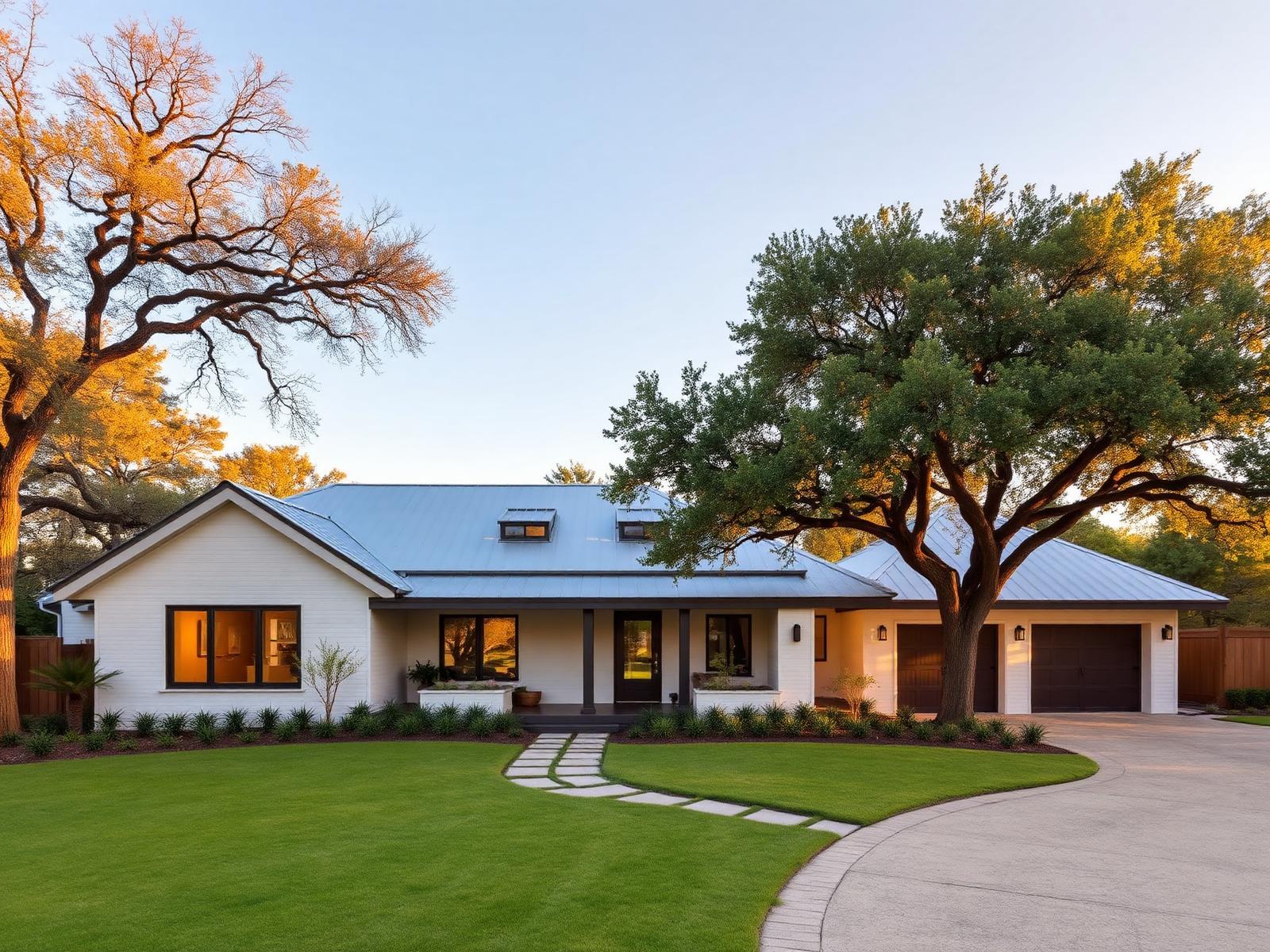
The housing stock in Swede Hill tells the story of the neighborhood's evolution. Original Swedish-era cottages, many built in the early 1900s, remain scattered throughout the neighborhood, some lovingly restored with updated systems while preserving original woodwork and porch details. Alongside these historic homes sit mid-century duplexes and a growing number of modern infill houses and small multi-unit buildings constructed over the past decade as demand for East Austin housing has intensified. This mix gives owners flexibility in the type of product they can offer renters, whether that's the charm of a restored bungalow or the low-maintenance efficiency of a new-construction duplex. Because the neighborhood is so compact, each individual property tends to stand out rather than blend into a sea of similar units, which can be a meaningful advantage in marketing and photography when a listing goes live.
Franklin Barbecue and the Neighborhood's Cultural Draw
Swede Hill sits within easy walking distance of Franklin Barbecue on East 11th Street, one of the most nationally recognized barbecue destinations in the country and a fixture of East Austin's identity. While the line at Franklin's is a well-known Austin institution, its presence also anchors a broader stretch of East 11th Street that has filled in with additional restaurants, bars, and small businesses over the years. Renters who choose Swede Hill often cite the ability to walk to a destination-level restaurant scene while still returning home to a quiet residential block as a major draw. This proximity to a nationally known attraction, combined with the neighborhood's low-key residential feel, creates a compelling pitch for tenants who want the best of both East Austin's food culture and its historic housing stock.
Close to Huston-Tillotson and Downtown
Huston-Tillotson University, one of the oldest historically Black colleges and universities in Texas, sits just south of Swede Hill, giving the neighborhood a direct connection to the university's faculty, staff, and graduate community as a source of rental demand. Downtown Austin and the Texas Capitol are roughly a mile and a half away, an easy bike ride or short drive that makes Swede Hill appealing to renters who work downtown but want to avoid downtown's higher price points and denser urban feel. This combination of institutional proximity and downtown accessibility gives Swede Hill a diverse and relatively stable tenant pool compared to neighborhoods that rely on a single demographic driver.
Who Rents in Swede Hill
Tenants in Swede Hill tend to be a mix of young professionals drawn to East Austin's cultural cachet, graduate students and staff connected to Huston-Tillotson, and longer-term residents who value the neighborhood's quieter, more residential pace compared to busier East Austin corridors. Because inventory is limited and much of it consists of single-family cottages and duplexes rather than large apartment complexes, tenants often view a Swede Hill rental as a step up from typical apartment living, and many stay for multiple lease terms once settled. This tenant stability is a meaningful benefit for owners, reducing turnover costs and vacancy periods relative to higher-churn apartment-heavy neighborhoods nearby.
A Neighborhood in Continued Transition
Like much of central East Austin, Swede Hill has experienced significant reinvestment over the past fifteen years, with property values rising as buyers and investors recognized the value of its historic housing stock and central location. New infill construction continues to fill vacant lots and replace some older structures, gradually changing the neighborhood's density while its small footprint keeps overall change measured compared to larger East Austin districts. Owners who have held property in Swede Hill for even a few years have generally seen strong appreciation, and the trend shows no signs of reversing given the neighborhood's proximity to downtown and its historic character that continues to attract renters and buyers alike.