The Most Historic Town in Texas Meets Modern Austin Growth
Bastrop bills itself as 'the most historic town in Texas,' with a downtown dating to the 1830s and a well-preserved collection of Victorian and early-Texas architecture along Main Street and the banks of the Colorado River. For generations Bastrop functioned as an independent county seat with its own economy tied to agriculture, ranching, and the Lost Pines forest that surrounds it. Over the past fifteen years, Austin's growth has reached Bastrop in earnest, with new master-planned communities like Colovista, Pine Forest, and Tahitian Village bringing thousands of new residents to the 78602 ZIP code. The completion of SH 130 and continued expansion of the Austin metro's southeast corridor have made Bastrop an increasingly practical commuter option, while the town's genuine historic character and riverfront setting give it an identity distinct from typical suburban growth. For investors, Bastrop offers a rare combination of small-town charm, natural beauty, and expanding rental demand.
Housing Stock: Historic Homes, River Communities, and New Subdivisions
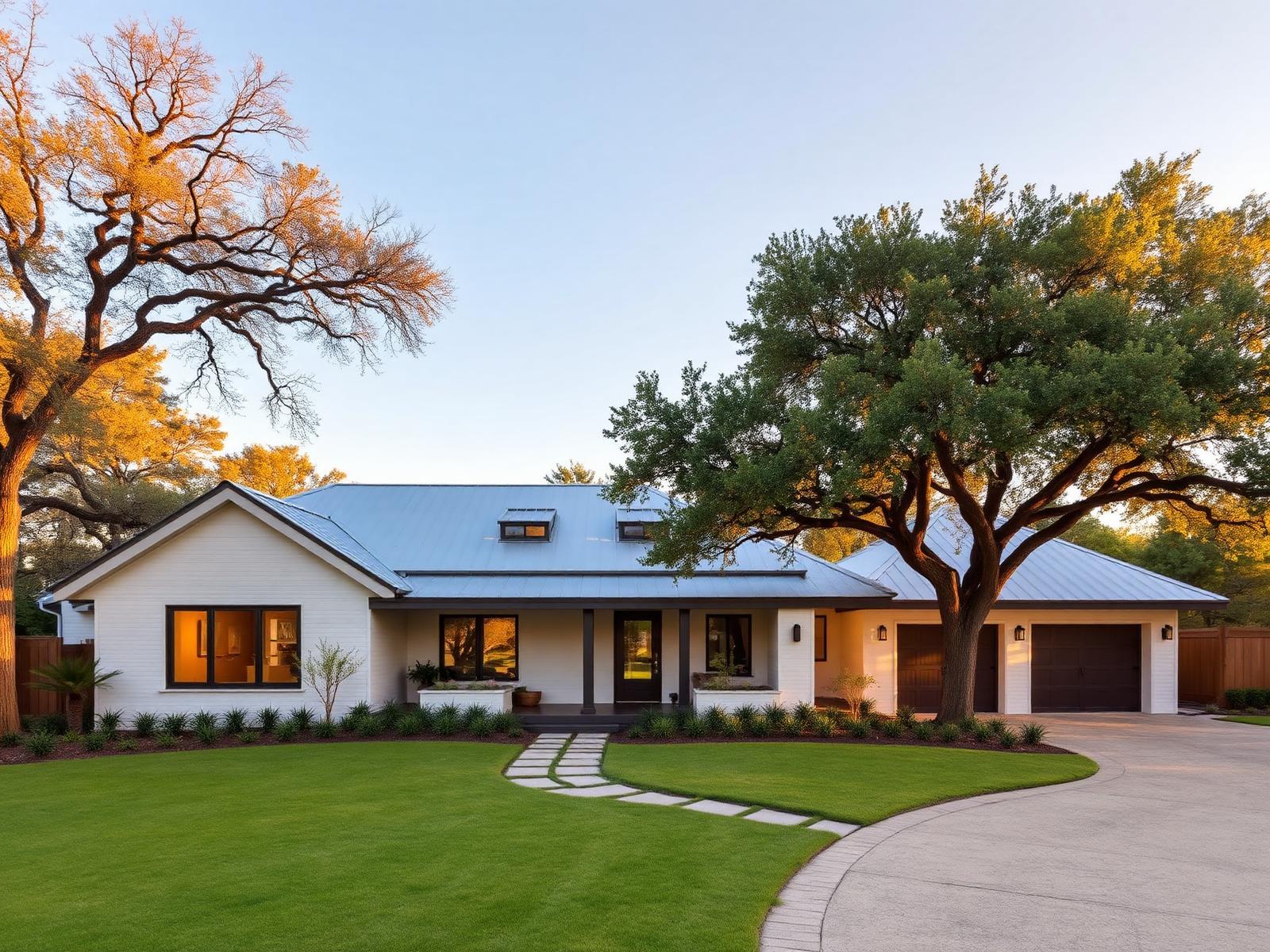
Bastrop's rental housing spans a wide range, from Victorian-era and early-twentieth-century homes near downtown to sprawling riverfront and golf-course lots in Tahitian Village and Pine Forest, to newer subdivision construction in Colovista and Bastrop Highlands. The Lost Pines forest gives many neighborhoods a wooded, private feel that is unusual for a rapidly growing suburb. Because Bastrop's growth has occurred over both older and newer development cycles, owners should expect meaningful variation in maintenance needs and buyer expectations depending on whether a property sits in a historic in-town neighborhood or a newer master-planned community. We find that homes with genuine river or forest proximity command consistent rent premiums across our Bastrop portfolio.
River Town Culture and Community Identity
Life in Bastrop centers on the Colorado River, downtown's historic Main Street, and the surrounding Lost Pines forest that gives the area its distinct pine-and-oak landscape rarely found elsewhere in Central Texas. Bastrop State Park and its historic CCC-era cabins draw visitors and residents alike for hiking, golf, and swimming, while downtown's antique shops, local restaurants, and the annual Lost Pines Art & Craft Festival reinforce a strong sense of local identity. This combination of small-town culture and natural scenery draws a renter base that includes both longtime Bastrop County families and newer arrivals seeking a slower pace without abandoning Austin-area employment access.
Who Rents in Bastrop and Why?
Bastrop's renter base includes families relocating for Bastrop ISD schools and more affordable housing than closer-in Austin suburbs, retirees and downsizers drawn to the town's historic character and riverfront lifestyle, and commuters working in Austin or the SH 130 industrial corridor who prioritize space and natural surroundings over urban proximity. We also see steady demand tied to the Lost Pines Resort and Spa and the town's tourism economy, which supports service-industry workers seeking local housing. This mix produces a rental market with genuine demand diversity, though most tenants share a preference for outdoor access and a quieter, community-oriented lifestyle.
Commuting via SH 130 and SH 71
Bastrop sits along SH 71 and near the southern terminus of the SH 130 toll road, which together provide efficient routes toward Austin, the airport, and the greater southeast Austin employment corridor, with commute times typically ranging from 40 to 55 minutes to downtown Austin depending on origin and traffic. SH 130 in particular has been a significant driver of Bastrop's growth, offering a faster, tolled alternative to congested surface roads. While Bastrop remains car-dependent with no meaningful transit service, its highway position has made the Austin commute increasingly viable for residents willing to trade commute time for lower housing costs and more natural surroundings.
Parks, Recreation, and the Lost Pines
Bastrop's outdoor recreation is anchored by Bastrop State Park and the adjacent Buescher State Park, connected by a scenic park road through the Lost Pines forest that offers hiking, mountain biking, and golf. The Colorado River provides kayaking, fishing, and riverside parks throughout town, including Fisherman's Park near downtown. Tahitian Village and Pine Forest residents enjoy direct river or golf course access as neighborhood amenities. This unusual concentration of state parkland, river access, and forest scenery gives Bastrop a genuinely differentiated outdoor recreation profile compared to most Austin-area suburbs, and we find that proximity to these amenities meaningfully strengthens rental demand.
Shopping, Dining, and Everyday Convenience
Downtown Bastrop's Main Street offers a genuine historic shopping and dining district, with local restaurants, antique shops, and boutiques housed in nineteenth-century buildings. Everyday shopping is concentrated along SH 71 and Loop 150, where grocery stores and national retailers have expanded steadily alongside the town's population growth. The nearby Hyatt Regency Lost Pines Resort and Spa adds a tourism dimension to the local economy that supports additional dining and event-related business. While Bastrop remains smaller in scale than Austin's retail corridors, its combination of historic downtown character and growing modern convenience continues to improve as the population expands.
Employment Access and Economic Drivers
Bastrop's rental demand benefits from the SH 130 industrial corridor, including the Tesla Gigafactory in Del Valle and continued logistics and manufacturing growth along the toll road, both within a practical commute. Bastrop ISD and Bastrop County government are significant local employers, and the Lost Pines Resort and Spa supports substantial hospitality employment. Continued residential growth has also spurred new retail, healthcare, and construction jobs within city limits. As Austin's southeast growth corridor continues to mature, Bastrop is well positioned to keep capturing relocating renter demand from workers seeking more affordable housing within commuting distance of the metro's expanding job centers.