Circle C Ranch: A Master-Planned Anchor in Southwest Austin
Circle C Ranch is one of Austin's most established master-planned communities, built out primarily in the 1990s and 2000s along Escarpment Boulevard and West Slaughter Lane in the 78739 ZIP code. Developed by Gary Bradley and later stewarded through detailed deed restrictions and an active homeowners association, the neighborhood was designed around the principle of preserving Hill Country topography while delivering consistent, family-oriented suburban living. Its rolling terrain, mature live oaks, and proximity to the Edwards Aquifer recharge zone gave rise to strict impervious cover rules that have kept density low and lot sizes generous compared to newer Southwest Austin subdivisions. For investors, this translates into a housing stock with strong architectural consistency, well-maintained curb appeal across the community, and a long track record of stable appreciation. Circle C's identity as a self-contained community with its own retail centers, parks, and pool amenities has made it a perennial favorite for corporate relocations and long-tenured Austin families alike, giving rental property owners a dependable, low-volatility submarket that performs well in both up and down cycles of the broader Austin housing market.
Housing Stock and Architectural Character in 78739
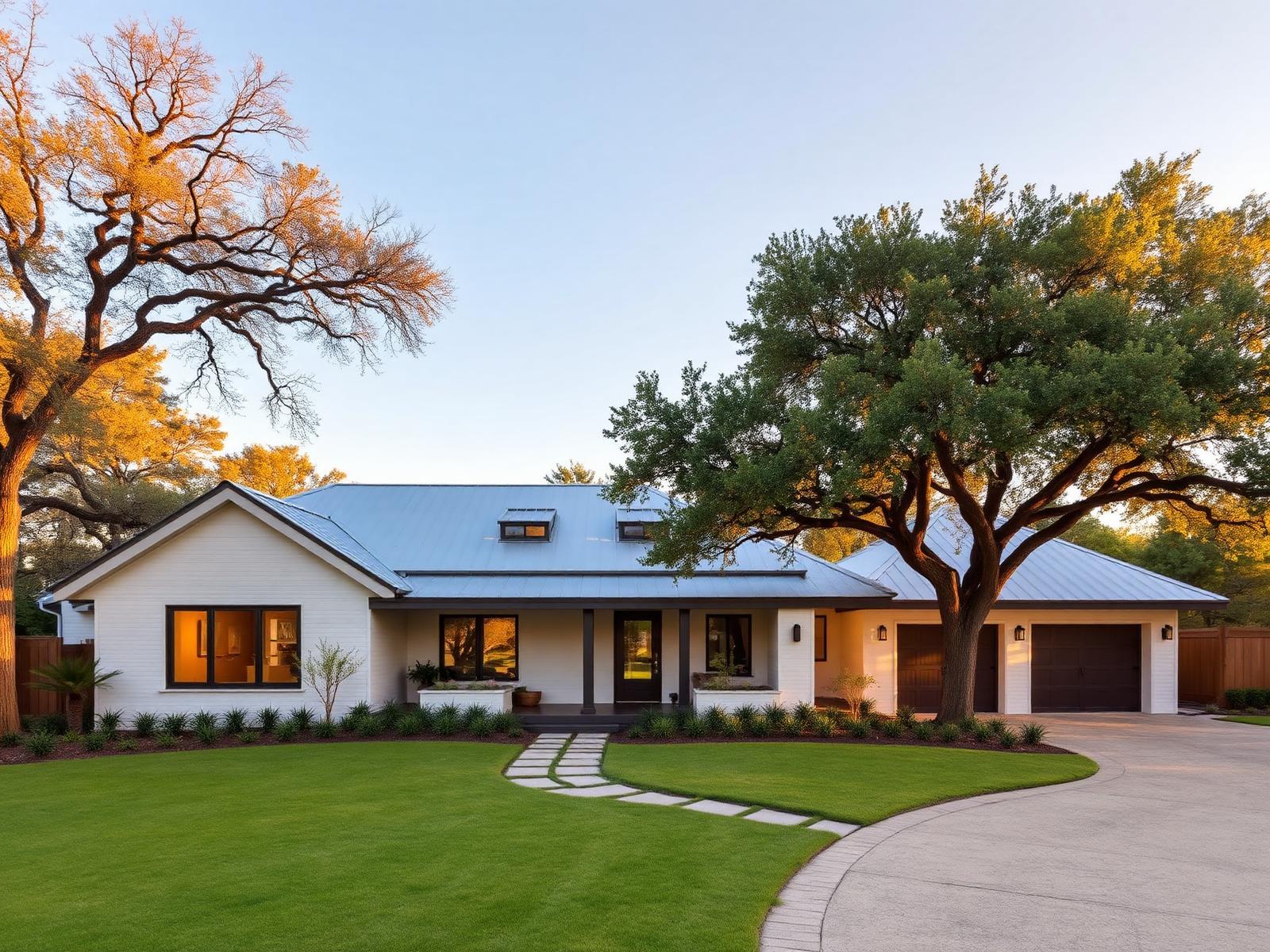
The majority of homes in Circle C Ranch are one- and two-story single-family residences ranging from 1,800 to over 4,000 square feet, built primarily by Streetman Homes, David Weekley, and Scott Felder in a mix of Hill Country and traditional Texas ranch styles. Limestone and stucco exteriors, covered front porches, and generous backyards are common, and many sections back directly onto greenbelt or golf course frontage along Grey Rock Golf Club. Because most construction dates from the mid-1990s through the mid-2000s, the housing stock is old enough to have mature landscaping but young enough to avoid the major systems replacements that plague much older Austin neighborhoods. Investors should budget for periodic updates to flooring, HVAC, and roofing consistent with a home entering its second or third decade, but the fundamental bones of Circle C construction remain solid. Floor plans tend to favor open kitchens overlooking family rooms, formal dining spaces, and dedicated home offices, all features that resonate strongly with the dual-income, work-from-home professional tenants who dominate the local rental pool.
The Circle C Lifestyle: Parks, Trails, and Recreation
Circle C Ranch residents enjoy an unusually deep bench of recreational amenities for a suburban neighborhood, anchored by Circle C Ranch Metro Park with its soccer and baseball fields, splash pad, and the Alexander Dreiss Community Center pool complex. The Veloway, a 3.1-mile paved loop reserved exclusively for cyclists and skaters, sits within the neighborhood and draws recreational riders from across the city. Mary Moore Searight Metropolitan Park and the Violet Crown Trail extend the network of green space, giving residents direct access to miles of hike-and-bike trails through the Slaughter Creek corridor without leaving the neighborhood. Grey Rock Golf Club offers a public 18-hole course and clubhouse dining just off Slaughter Lane. This concentration of amenities is a significant leasing advantage: tenants relocating from other cities consistently cite the parks and trail system as a top reason for choosing Circle C over comparably priced homes in Southwest Austin, and it supports premium rents for homes within walking distance of the park system.
Retail, Dining, and Everyday Convenience
Circle C Ranch's town center along Escarpment Boulevard provides residents with day-to-day convenience that many suburban Austin neighborhoods lack, anchored by an H-E-B grocery store, CVS, and a mix of local restaurants and services. The Shops at Arbor Trails just to the north add a Target, Alamo Drafthouse Cinema, and additional dining options within a short drive. Popular local spots include Maudie's Hacienda for Tex-Mex, P. Terry's Burger Stand for a quick bite, and Amy's Ice Creams for weekend treats, all within a few minutes of most Circle C addresses. This retail infrastructure matters for property managers because it reduces the friction of daily errands that can otherwise push renters toward more centrally located neighborhoods. Tenants evaluating Circle C against other Southwest Austin options frequently note that the ability to reach a grocery store, pharmacy, and casual dining within a five-minute drive is a deciding factor, and it is one we highlight prominently in our leasing marketing for owner properties in the community.
Schools and the Family Tenant Profile
Circle C Ranch is zoned to Austin Independent School District, feeding into Kiker Elementary or Clayton Elementary, Gorzycki Middle School, and Bowie High School, all of which carry strong reputations among Austin ISD campuses and consistently rank among the district's top performers on state accountability metrics. This school pairing is a major driver of tenant demand, as families relocating to Austin for corporate transfers or dual-career opportunities specifically target Circle C addresses to secure a seat in the Bowie feeder pattern without paying the premium home prices found in neighboring Eanes ISD. The result is a tenant base weighted heavily toward married couples with school-age children, professionals in technology, healthcare, and corporate management roles who prioritize stability and are willing to sign longer lease terms to avoid disrupting their children's education. For owners, this translates into lower turnover, more predictable renewal patterns, and tenants who generally treat the home with the same care they would apply to a property they own.
Commuting and Access to Employment Centers
Circle C Ranch sits just off MoPac Expressway (Loop 1) at the Slaughter Lane and La Crosse Avenue interchanges, giving residents a direct, largely uncongested route north to the Domain, downtown Austin, and the South MoPac tech corridor that includes major employers along West Gaines and the Y at Oak Hill. The neighborhood's Southwest Austin location, roughly 15 to 20 minutes from downtown depending on traffic, has made it a favorite among employees of firms located along the MoPac corridor who want single-family living without a Central Austin price tag. Circle C's position also provides quick access to US-290 and the Y at Oak Hill interchange, useful for residents commuting toward the Southwest Austin medical corridor or south toward San Antonio for business travel. While it lacks the walkability of urban-core neighborhoods, the trade-off of a manageable commute paired with abundant parking, larger lots, and quieter streets is precisely what attracts the community's target renter demographic of suburban-minded professional families.
Community Governance and Deed Restrictions
The Circle C Homeowners Association maintains an active architectural review process and enforces deed restrictions that govern everything from fence materials to acceptable exterior paint palettes, a structure that has preserved the neighborhood's cohesive appearance for over two decades. For rental property owners, this means an added layer of compliance to manage: exterior modifications, parking of recreational vehicles, and landscaping standards are all subject to HOA rules that can result in fines if violated. Understanding these bylaws in advance protects owners from unexpected assessments and ensures tenants are properly briefed on community expectations at move-in. The HOA also manages the community pool facilities, tennis courts, and several of the neighborhood parks, funded through annual dues that are typically passed through to owners rather than tenants. A well-run management partner treats HOA compliance as a core service line, coordinating directly with the association on behalf of the owner to resolve violations quickly and avoid escalation to liens or legal action.
Long-Term Investment Fundamentals in 78739
Circle C Ranch has demonstrated consistent, if unspectacular, appreciation over the past two decades, a pattern typical of established, built-out master-planned communities with limited new supply. Because the neighborhood is essentially at full build-out, investors are not competing against a steady stream of new construction that can suppress rents and resale values, a dynamic that continues to define many newer Southwest and Southeast Austin subdivisions. Limited land availability within the 78739 boundary, combined with the school district advantage and mature amenity base, supports a durable floor under both home values and achievable rents. Circle C properties also benefit from a diversified buyer and renter pool spanning relocating families, empty-nesters downsizing from larger Westlake homes, and corporate tenants on multi-year assignments, which reduces dependency on any single economic driver. For an investor seeking a lower-volatility Austin submarket with predictable cash flow and a strong renewal culture, Circle C Ranch remains one of the more defensible long-term holds in the Southwest Austin corridor.