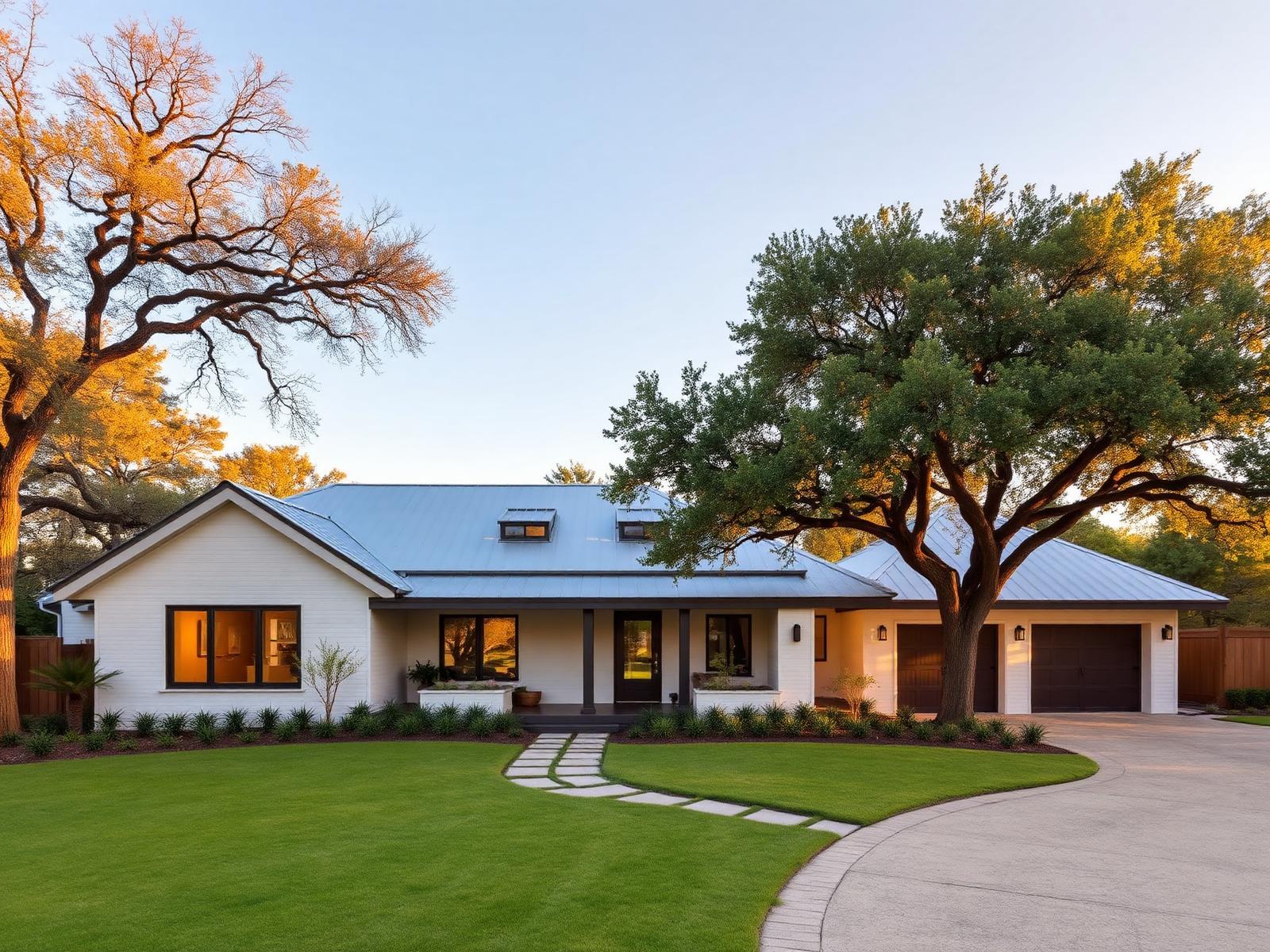
A Mature Southwest Austin Community
Shady Hollow developed primarily through the 1980s and 1990s as one of Southwest Austin's first master-planned residential communities, built along rolling Hill Country terrain west of MoPac and south of William Cannon Drive. Unlike much of the newer development farther out toward Dripping Springs, Shady Hollow's tree canopy has had decades to mature, giving the neighborhood a distinctly leafy, established character that stands out in a part of Austin otherwise known for newer construction. The 78749 ZIP code surrounding Shady Hollow also includes Village at Western Oaks and Legend Oaks, but Shady Hollow itself remains the anchor community, prized for its combination of larger lots, mature landscaping, and proximity to both the Y at Oak Hill and the greater South MoPac employment corridor. For investors, this translates into a neighborhood with genuine staying power: an established reputation, consistent renter demand, and a housing stock old enough to be attractively priced yet well-built enough to hold up with reasonable maintenance.
Housing Stock: Established Single-Family Homes on Larger Lots
Shady Hollow's housing stock is dominated by single-family homes built between the mid-1980s and late 1990s, typically on larger lots than newer Austin subdivisions, with mature oak trees and established landscaping throughout. Home styles range from traditional brick ranch layouts to two-story homes with vaulted ceilings and wood-burning fireplaces common to that era of Austin construction. Because the neighborhood was built out decades ago, most homes have gone through at least one round of renovation, and buyers or investors purchasing here should budget for periodic system updates, particularly roofing, HVAC, and foundation monitoring given the Hill Country terrain. That said, the larger lot sizes and mature trees give Shady Hollow a character and privacy that newer, denser developments in Southwest Austin simply cannot replicate, and this consistently supports strong rental demand.
A Quiet, Family-Oriented Lifestyle
Shady Hollow is defined by a slower, more residential pace of life than neighborhoods closer to downtown Austin. The community's namesake Shady Hollow neighborhood pool and park serve as a social hub, and winding streets shaded by mature tree cover encourage walking and biking within the subdivision itself. Nearby, Circle C Ranch's Central Park and Southwest Community Park provide additional recreational amenities including sports fields, splash pads, and event space. This lifestyle draws families who value space, quiet streets, and a strong sense of community identity, and Shady Hollow has built a loyal following among long-term residents, many of whom rent here for years while their children move through the local Austin ISD schools.
Who Rents in Shady Hollow and Why?
The typical Shady Hollow renter is a family or established professional household seeking a quieter, more spacious alternative to closer-in South Austin neighborhoods, often with school-age children benefiting from the area's Austin ISD elementary and middle school options. We also see renters who previously considered buying in Circle C Ranch or Travis Country but found Shady Hollow's older housing stock offered comparable lot sizes and mature landscaping at a somewhat lower price point. This tenant pool tends to value stability and space over walkability or nightlife, and Shady Hollow consistently produces some of the longest average tenancies we manage in Southwest Austin, a genuine advantage for owners seeking lower turnover costs.
Commuting from Southwest Austin
Shady Hollow sits just west of MoPac (Loop 1) near its southern terminus, giving residents relatively direct access north toward the South MoPac tech corridor and downtown Austin, typically a 20-to-30-minute drive depending on traffic and origin point within the neighborhood. William Cannon Drive provides east-west connectivity toward I-35 and South Austin, while Highway 290 and the Y at Oak Hill give residents access west toward Dripping Springs and the Hill Country. Commutes here are entirely car-dependent, as is typical for most of Southwest Austin, but the MoPac access remains a meaningful advantage compared to neighborhoods farther from the highway grid.
Parks, Trails, and Outdoor Recreation
Shady Hollow benefits from its own neighborhood park and pool, along with nearby access to Circle C Ranch's extensive greenbelt trail system and Southwest Community Park, which offers sports fields, a splash pad, and picnic areas. Slaughter Creek and the broader Violet Crown Trail network are within a short drive, giving outdoor-minded residents access to some of Southwest Austin's best hiking and biking terrain. Mature tree cover throughout the neighborhood itself also makes for pleasant walking and jogging along Shady Hollow's internal streets, an amenity that residents consistently cite as a defining feature of daily life here.
Shopping, Dining, and Everyday Convenience
Everyday shopping for Shady Hollow residents centers on the Y at Oak Hill and the Escarpment Village shopping center, both a short drive away, offering grocery stores, casual dining, and everyday retail. The Shops at Arbor Trails and Sunset Valley's Central Park shopping center provide additional options slightly farther north along MoPac. While Shady Hollow itself is a purely residential community without commercial development, its proximity to these established retail nodes gives residents convenient access to daily necessities without needing to drive into central Austin.
Employment Access and Economic Drivers
Shady Hollow's rental demand benefits significantly from its proximity to the South MoPac technology corridor, home to major employers along Southwest Parkway and La Crosse Avenue, as well as reasonable access to downtown Austin via MoPac. The broader Oak Hill and Circle C employment nodes, along with St. David's South Austin Medical Center, provide additional local job access. As Austin's tech and healthcare sectors continue to expand along the MoPac corridor, Shady Hollow's combination of established housing stock and convenient commute access positions it well to keep capturing steady renter demand from professionals working throughout Southwest Austin.