From Hill Country Crossroads to 'Wedding Capital of Texas'
Dripping Springs began as a small ranching and mill town along Onion Creek, named for the natural springs that once flowed from a limestone bluff near the town center. For most of its history it remained a rural stopover on the road between Austin and Fredericksburg, but the last two decades have transformed it into one of the fastest-growing communities in the Austin metro. The nickname 'Wedding Capital of Texas' reflects the dozens of event venues that dot the surrounding Hill Country, but the city has grown well beyond that identity into a genuine residential submarket. New subdivisions like Caliterra, Headwaters, and Belterra have brought thousands of rooftops to what was recently open ranchland, while the historic Mercer Street downtown core retains its small-town charm. For investors, Dripping Springs offers a blend of large-lot acreage rentals and newer master-planned inventory that is difficult to find inside Austin's city limits.
Housing Stock: Acreage, New Subdivisions, and Custom Homes
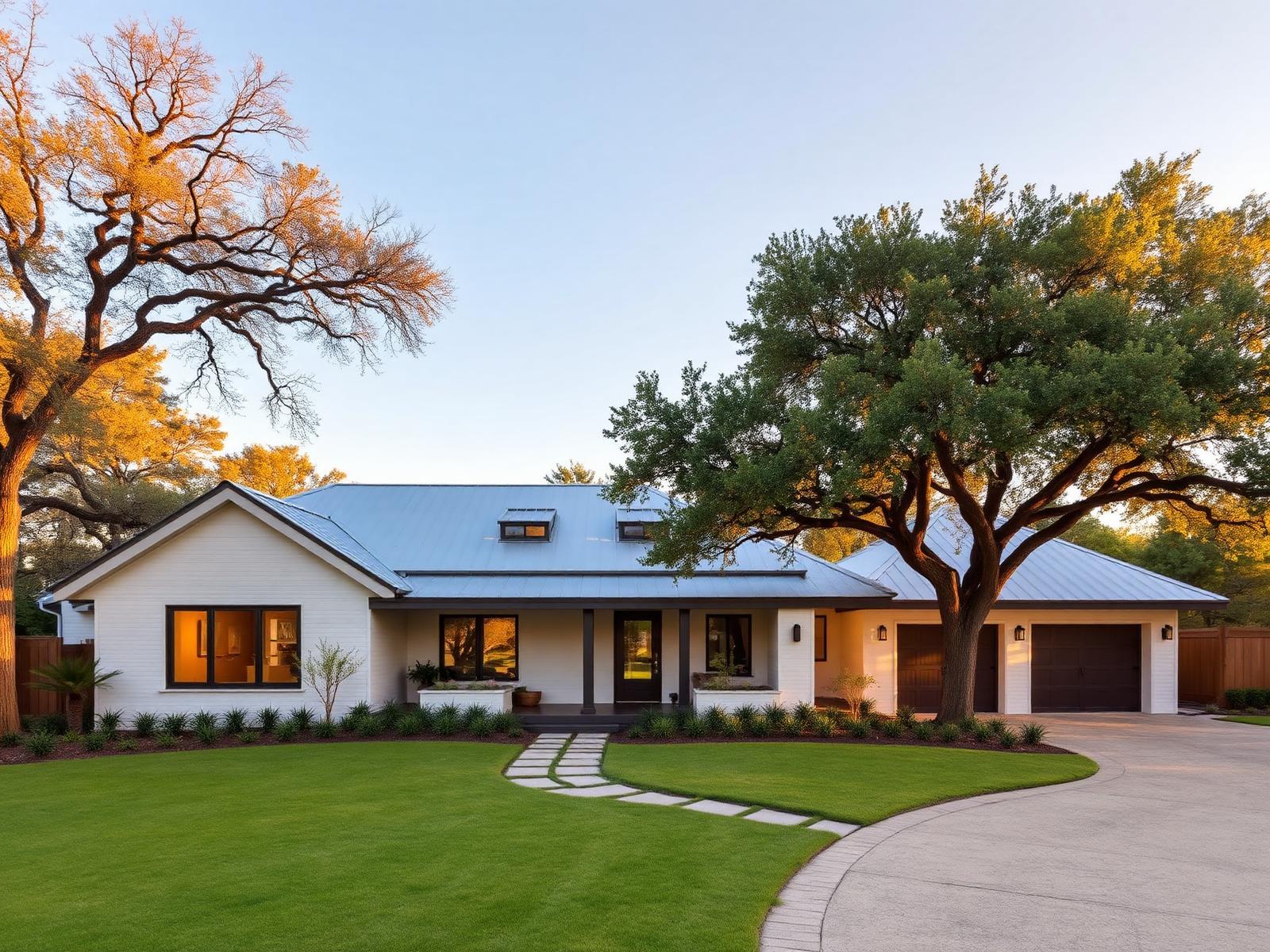
The Dripping Springs rental market spans a wide range of product types, from one- to five-acre custom homes with wells and septic systems to newer, denser subdivisions with municipal utilities and HOA amenities. Communities like Caliterra and Headwaters offer modern floor plans, community pools, and fiber internet that appeal to remote-working professionals, while older acreage properties along Fitzhugh Road and Hamilton Pool Road attract tenants seeking privacy, space for animals, or room for a home workshop. Because so much of the area's growth is recent, owners typically face fewer major capital repairs than in older Austin neighborhoods, though well and septic systems on acreage properties require specialized maintenance knowledge that we build directly into our management approach for these properties.
A Hill Country, Outdoor-Oriented Lifestyle
Life in Dripping Springs centers on the rolling Hill Country terrain, live oak groves, and a strong sense of small-town identity even as the population grows. Weekend routines often include visits to Dripping Springs Ranch Park for youth sports, the Founders Memorial Park pool, or one of the area's many wineries and breweries along US 290, sometimes called the Texas Wine Road. The historic downtown along Mercer Street hosts First Friday events, live music, and local shops that give the city a walkable, community-oriented core distinct from the surrounding rural subdivisions. This lifestyle draws families and professionals who want Hill Country scenery and a slower pace without giving up reasonable access to Austin, and it supports the long average tenancies we see across our Dripping Springs management portfolio.
Who Rents in Dripping Springs and Why?
Renters in Dripping Springs tend to be families relocating for Dripping Springs ISD's strong reputation, along with professionals who work remotely or commute occasionally into Austin and want more land and privacy than the city can offer. We also see a steady stream of tenants who are building a custom home elsewhere in the Hill Country and rent locally during construction, as well as those relocating from out of state who want to experience the area before committing to a purchase given the higher home prices here. This tenant pool generally has strong income and credit profiles, values space, privacy, and outdoor access over walkability, and is often willing to pay a premium for acreage, view lots, or proximity to Dripping Springs' well-regarded schools.
Commuting into Austin via US 290
US 290 is the primary artery connecting Dripping Springs to Austin, with commute times to downtown or the Domain typically running 35 to 55 minutes depending on origin point and time of day. Ranch Road 12 and Fitzhugh Road provide alternate routes toward Wimberley and the broader Hill Country, though most commuting traffic funnels through the 290 corridor, which has seen recent expansion work aimed at easing congestion through the city. There is no rail or dedicated transit service in Dripping Springs, and residents rely almost entirely on personal vehicles, a tradeoff that renters here generally accept in exchange for the acreage, privacy, and school quality that draws them to the area in the first place.
Parks, Wineries, and Outdoor Recreation
Dripping Springs offers exceptional outdoor amenities relative to its size. Dripping Springs Ranch Park anchors much of the community's recreational life with sports fields, an amphitheater, and event space, while Founders Memorial Park provides a pool, splash pad, and playgrounds popular with families. Hamilton Pool Preserve and Reimers Ranch Park, both a short drive away, offer swimming, climbing, and hiking along the Pedernales River, and the US 290 wine and brewery corridor gives adult residents a distinctive weekend destination. Homes on acreage with mature oak trees or Hill Country views consistently rent faster and support rent premiums in our experience, reflecting how central the natural landscape is to the area's appeal.
Shopping, Dining, and Everyday Convenience
Downtown Dripping Springs along Mercer Street offers a growing collection of local restaurants, boutiques, and coffee shops, while The Overlook at Belterra and other newer retail centers along US 290 provide grocery stores, national retailers, and additional dining options closer to the newer subdivisions. Restaurants like Mazama Coffee Co., The Barber Shop, and Freedom's dining scene along the wine road give residents a genuine local food culture, though for larger shopping trips many residents still head into Austin or the Hill Country Galleria in Bee Cave. Continued commercial development along 290 is steadily reducing how often residents need to leave the area for everyday needs.
Employment Access and Economic Drivers
While Dripping Springs itself has a growing base of local employers, including Dripping Springs ISD, the city government, and a expanding hospitality and wedding-venue industry, most working renters commute into Austin's broader employment centers for tech, healthcare, and corporate jobs. Employers in the Bee Cave and Southwest Austin corridor, including the Hill Country Galleria business district, also draw Dripping Springs residents given the relatively shorter commute compared to downtown Austin. As Austin's tech and healthcare sectors continue expanding westward along the 290 corridor, we expect Dripping Springs to keep capturing renter demand from professionals seeking more space and privacy without abandoning Austin-area employment.