Montopolis: A Historic East Austin Community on the Colorado River
Montopolis is one of Austin's oldest East Side communities, tracing its roots to a freedmen's settlement established after the Civil War along the banks of the Colorado River. This deep history gives the neighborhood a distinct character that newer master-planned communities simply cannot replicate, with generations of families who trace their roots directly to the founding of the settlement. Over the past decade, Montopolis has become one of Austin's fastest-appreciating neighborhoods as investors and homebuyers priced out of Central and South Austin discovered its proximity to downtown, the airport, and the river. For property investors, this combination of authentic historic character and rapid appreciation creates a compelling long-term thesis: Montopolis offers below-average entry prices relative to its central location, with a clear trajectory toward continued value growth as the surrounding East Austin corridor matures. Owners who understand and respect the neighborhood's history tend to find the most success building lasting tenant relationships here.
Housing Stock: Mid-Century Homes and New Infill Construction
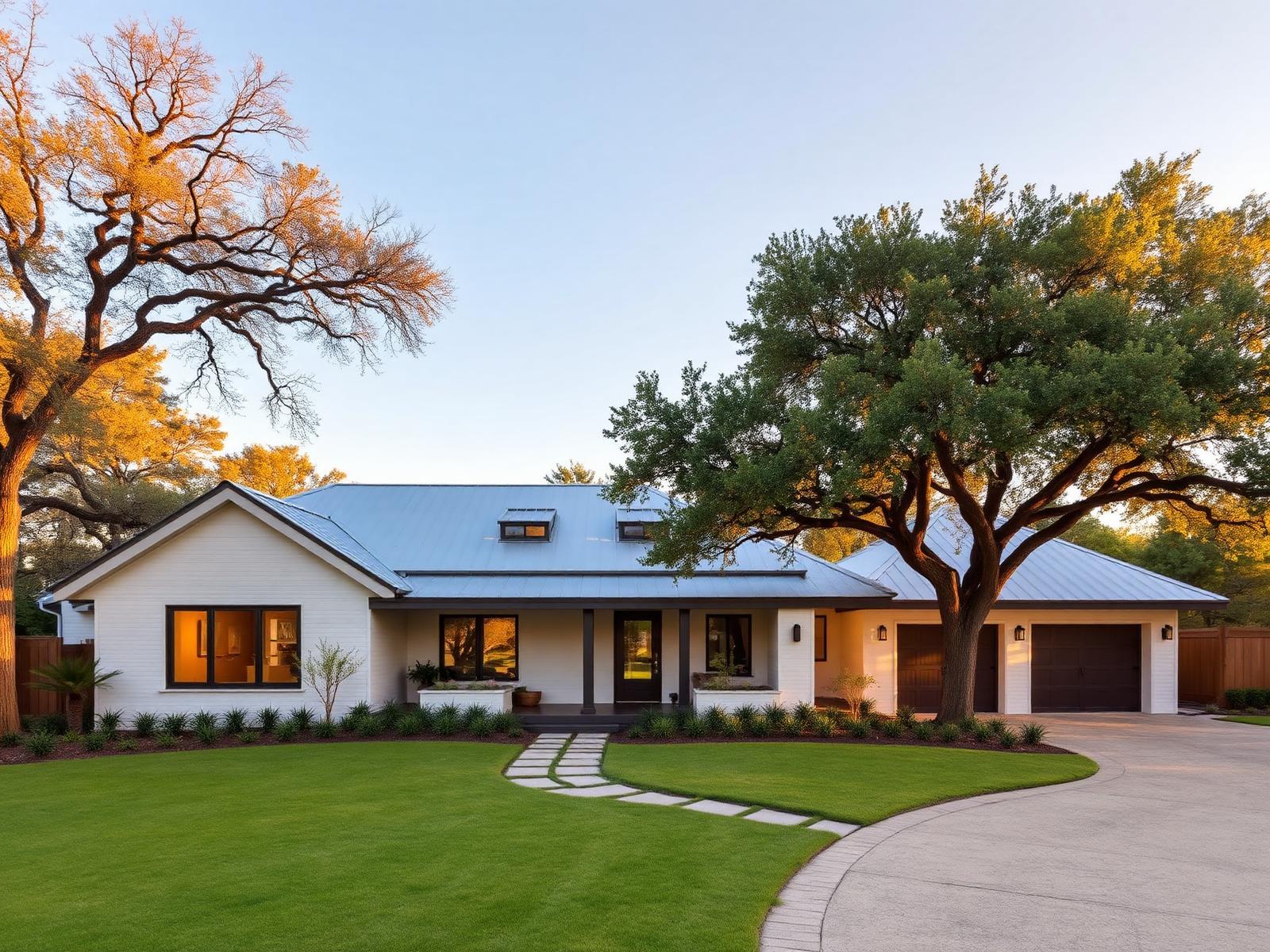
Montopolis's housing stock is a study in contrasts. Original single-family homes, many built between 1940 and 1975 on generous lots, sit alongside a growing wave of modern infill construction, including sleek new single-family homes and duplexes built to capitalize on the neighborhood's appreciation. This mix gives investors flexibility: value-add opportunities exist in renovating older homes to modern rental standards, while newer construction offers lower-maintenance, higher-rent alternatives. Streets like Montopolis Drive, Vargas Road, and Bastrop Highway anchor the neighborhood's residential core. Because much of the older housing stock predates modern electrical and plumbing codes, thorough due diligence and proactive capital improvement planning are essential for investors targeting value-add acquisitions in this submarket.
Roy G. Guerrero Park and the Colorado River as Neighborhood Anchors
Montopolis sits directly along the Colorado River, giving residents unmatched access to Roy G. Guerrero Colorado River Park, one of Austin's largest riverside parks, offering disc golf, athletic fields, and river access just minutes from most Montopolis homes. This natural amenity has become an increasingly important selling point as Austin renters place greater value on outdoor access. The Southern Walnut Creek Trail also runs through the eastern edge of the neighborhood, connecting Montopolis to the broader Austin urban trail network. For property managers, highlighting this recreational access in marketing materials consistently improves lead quality and lease-up speed, particularly among renters relocating from denser, more expensive parts of the city.
Proximity to the Airport and Circuit of the Americas
Montopolis's location just west of Austin-Bergstrom International Airport and a short drive from Circuit of the Americas makes it a magnet for airport employees, hospitality workers, and event-industry professionals. This proximity has also attracted logistics and warehousing employers to the broader area, creating steady blue-collar and service-industry rental demand that complements the more white-collar tenant base found in neighborhoods closer to downtown. Investors targeting workforce housing find Montopolis particularly attractive because rents remain achievable for essential workers while still delivering solid returns given the neighborhood's below-market entry pricing relative to its location.
Community Identity and Neighborhood Preservation Efforts
Montopolis has an active neighborhood association and a strong community identity built around preserving the area's historic character amid rapid growth. Community gardens, the Montopolis Recreation and Community Center, and long-running neighborhood events reflect a tight-knit social fabric that many renters find genuinely appealing compared to more transient parts of the city. Local advocacy has also pushed for infrastructure improvements, including sidewalks and drainage upgrades, that benefit property values over time. Investors who engage respectfully with this community identity, rather than treating the neighborhood as a pure arbitrage play, tend to build stronger long-term tenant relationships and lower turnover rates.
Gentrification Pressures and Long-Term Investment Considerations
Montopolis has experienced significant gentrification pressure over the past decade, with rising property taxes creating real challenges for longtime homeowning families even as it creates opportunity for investors. This dynamic means the neighborhood is likely to continue its trajectory toward higher price points and rents, but it also means investors should approach the market thoughtfully, understanding the broader community context. From a pure investment standpoint, the fundamentals remain strong: constrained land supply along the river, continued East Austin demand spillover, and infrastructure investment all point toward sustained appreciation over the coming decade.
Connectivity to Downtown and the Broader Austin Job Market
Montopolis benefits from quick access to downtown Austin via Highway 71 and East Riverside Drive, typically a ten to fifteen minute commute depending on traffic. This connectivity, combined with the neighborhood's below-market pricing relative to comparable East Austin submarkets, makes it a strong option for renters who work downtown but can't afford 78702 or 78704 pricing. As downtown Austin's job base continues to grow, this commute advantage should continue supporting rental demand in Montopolis, particularly for renters willing to trade a few extra minutes of drive time for meaningfully lower rent.
Outlook: A Neighborhood in the Middle Innings of Transformation
Compared to more fully gentrified East Austin neighborhoods like Chestnut or East Cesar Chavez, Montopolis remains earlier in its transformation curve, which is precisely what makes it interesting to forward-looking investors. Home prices and rents have room to grow toward parity with these more established East Side submarkets as new construction continues and infrastructure investment progresses. For investors with a five-to-ten-year hold horizon, Montopolis offers one of the more compelling risk-adjusted opportunities remaining inside Austin's central urban core.