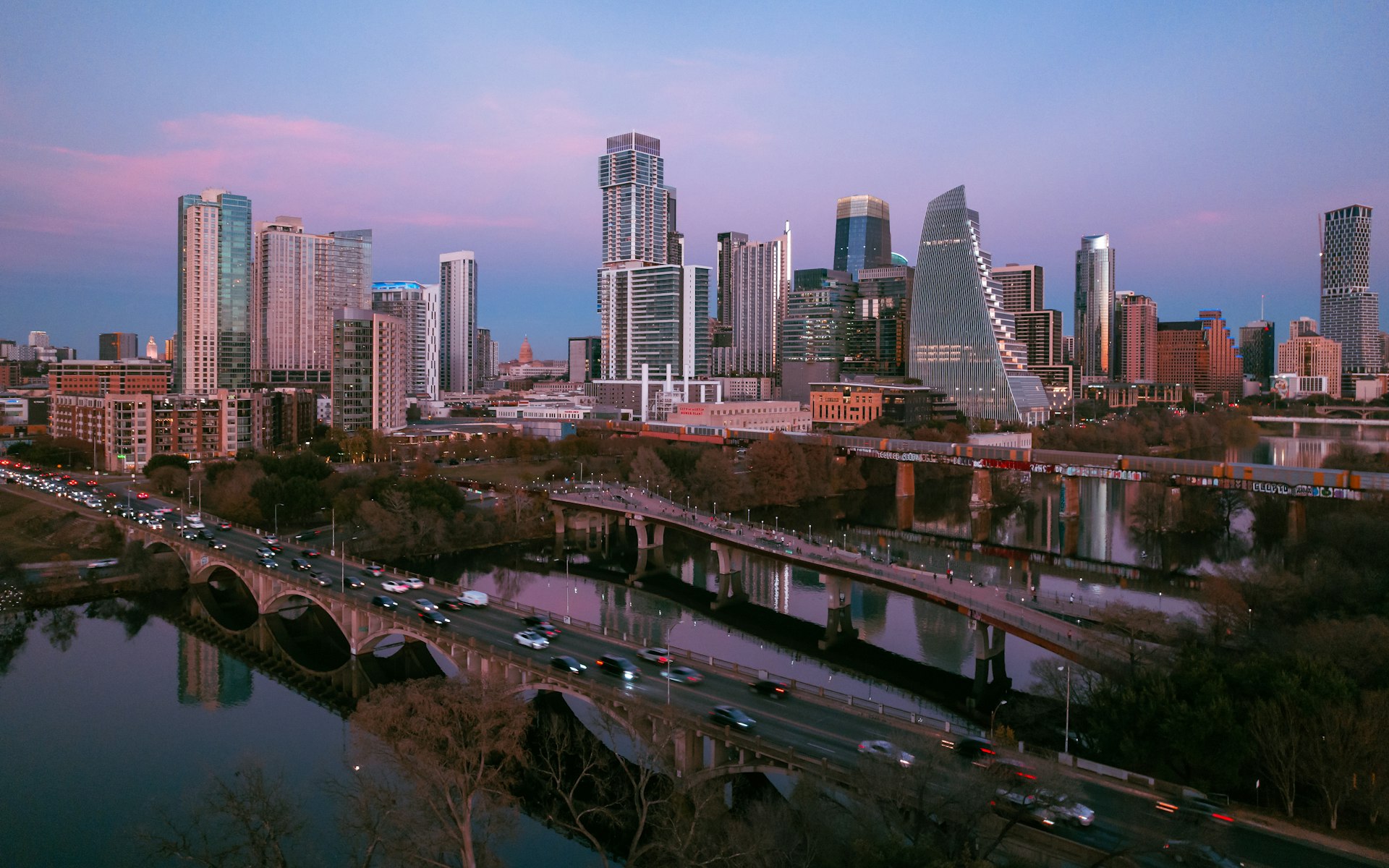
Riverside's Evolution Along the East Riverside Drive Corridor
Riverside, anchored by the East Riverside Drive corridor running from I-35 to Highway 71, has transformed dramatically over the past decade from a stretch of aging 1970s garden apartments into one of Austin's most active redevelopment zones. The City of Austin's East Riverside Corridor Master Plan encouraged higher-density, mixed-use development along the drive, and the results are visible in new mid-rise apartment communities, updated retail, and improved streetscapes stretching toward the airport. For investors, this transformation matters because it signals a long runway of appreciation as older properties are renovated or redeveloped and infrastructure investment continues. Riverside still offers some of the most attainable price points inside Austin's urban core, particularly for condos and older multifamily-style rental homes, while proximity to Lady Bird Lake and downtown keeps demand steady. Owners who bought in Riverside a decade ago have seen substantial equity gains, and the corridor's continued densification suggests this trend has room to run. Understanding which blocks have already redeveloped versus which retain 1970s-era stock is essential to underwriting a Riverside acquisition correctly.
Housing Stock: From Vintage Garden Apartments to New Mid-Rises
Riverside's housing inventory is genuinely mixed, which is part of what makes it an interesting investment target. Along East Riverside Drive itself, large-scale apartment complexes dominate, many built in the 1970s-1990s and since renovated with upgraded interiors, pools, and fitness centers. Behind these corridors, in pockets like the area around Grove Boulevard and Vargas Road, you'll find single-family homes and duplexes built mostly between 1960 and 1985, many now owned by investors and rented to a mix of long-term residents and University of Texas-affiliated tenants drawn by the short commute across the river. Condo developments near the lake, including several older mid-rise buildings, offer attainable ownership entry points with rental upside as the surrounding corridor continues to improve. For owners of single-family and duplex product, Riverside remains one of the better cash-flow markets inside Austin's core, since acquisition prices have not caught up to the amenity improvements the neighborhood has seen.
Lady Bird Lake and Roy G. Guerrero Park: The Neighborhood's Green Anchor
Riverside's proximity to Lady Bird Lake and Roy G. Guerrero Colorado River Park is one of its strongest and most underappreciated rental drivers. The park spans hundreds of acres along the river and includes disc golf, sports fields, and direct access to the Ann and Roy Butler Hike-and-Bike Trail, letting Riverside renters walk or bike into downtown and South Austin without ever touching a car. Longhorn Dam anchors the western edge of the neighborhood, and the ongoing improvements to the trail system have made Riverside noticeably more attractive to renters who prioritize outdoor recreation but can't afford Zilker-adjacent rents. As Austin continues to invest in the lakefront trail network and add amenities to Guerrero Park, Riverside properties within walking distance of the water have consistently outperformed the rest of the ZIP code in both rent growth and time-on-market.
Tenant Demand Driven by UT, ACC, and Nearby Employment Hubs
Riverside's tenant base is heavily influenced by its location directly across the river from the University of Texas campus and downtown Austin. Graduate students, university staff, and young professionals who want a lake-adjacent lifestyle at a lower price point than Travis Heights or Zilker frequently choose Riverside. Austin Community College's Riverside Campus, located directly on East Riverside Drive, adds another steady stream of student and staff renters. Additionally, the neighborhood's short commute to the Oracle campus, downtown's tech corridor, and the Austin-Bergstrom International Airport makes it appealing to shift workers, healthcare staff, and hospitality employees. This diverse tenant base helps insulate Riverside landlords from demand shocks tied to any single industry, and the sheer volume of rental units in the corridor keeps leasing velocity strong even in softer market cycles.
Redevelopment Pressure and What It Means for Owners
Because East Riverside Drive is zoned for greater density under Austin's corridor planning efforts, individual property owners occasionally receive unsolicited offers from developers assembling parcels for larger mixed-use projects. This redevelopment pressure has kept land values firm even when rents softened temporarily during periods of new apartment supply. For long-term holders, this dynamic creates two viable strategies: hold for cash flow while the corridor matures, or position a property for eventual assemblage sale. Either way, owners benefit from professional management that tracks zoning changes, corridor plan updates, and nearby permit activity so they can make informed decisions about hold periods and exit timing.
Comparing Riverside to South Austin and East Austin Alternatives
Investors often compare Riverside to South Austin's 78704 or East Austin's 78702 when evaluating urban core opportunities, and Riverside frequently wins on pure numbers. Price per square foot in Riverside remains meaningfully lower than either comparable submarket, while rental demand benefits from the same downtown-adjacency and lake access that make those neighborhoods desirable. The tradeoff is a less polished retail environment and an ongoing (if steadily narrowing) perception gap tied to the corridor's older apartment stock. For value-oriented investors willing to look past surface impressions, Riverside offers a rare combination in Austin's tight urban core: genuine affordability paired with strong long-term appreciation potential.
Airport Proximity and the Short Commute Advantage
Riverside sits just minutes from Austin-Bergstuck-Bergstrom International Airport via Highway 71, making it a magnet for airline crew, airport staff, and frequent business travelers who value a short commute. This proximity also benefits renters commuting to the Tesla Gigafactory and the broader Del Valle employment corridor east of the airport, without sacrificing quick access back into downtown. As Austin's airport continues to expand terminal capacity and add flights, this locational advantage for Riverside rental properties is likely to strengthen rather than fade, supporting steady occupancy for owners.
Neighborhood Character and Long-Term Outlook
Riverside today is a neighborhood in transition, blending longtime residents, university-affiliated renters, and a growing number of young professionals priced out of the west side of the river. The mix creates a genuinely diverse community feel that many renters find appealing compared to more homogenous newer developments. As the East Riverside Corridor Master Plan continues to guide new construction and infrastructure investment, expect Riverside's rental rates to gradually close the gap with adjacent premium neighborhoods while retaining relative affordability in the near term. For investors seeking urban-core exposure without downtown-level pricing, Riverside remains one of Austin's more compelling long-term plays.